In your newsfeed. At your dermatologist’s office. During brunch with friends. It seems like everywhere you turn someone’s raving about one skincare scoop: oil cleansers.
Today, we’re diving into the science behind why they work, who should use them, and how to use a cleansing oil in your current skincare routine. Plus, find out why it’s one of the preferred makeup removers of skintellectuals everywhere.
Table of Contents
What is cleansing oil & how does it work?
If you’ve been loyal to gel or foaming cleansers, the idea of using an oil cleanser may sound a little, well, greasy. That squeaky-clean feeling after washing your face might feel satisfying—but it could be a red flag.
Some traditional cleansers rely on strong surfactants to wash away dirt and oil. But these same ingredients can strip your skin, disrupt its natural pH, and leave it feeling tight or dry.
Enter oil-based cleansers: gentle formulas that dissolve excess sebum and leftover products without disturbing your skin’s balance. How? It’s simple skincare science: oil attracts oil. Most of the buildup on your face is oil-based—makeup, sunscreen, shine—and cleansing oils bind to these impurities so they can be rinsed away easily.

What’s so great about oil cleansers?
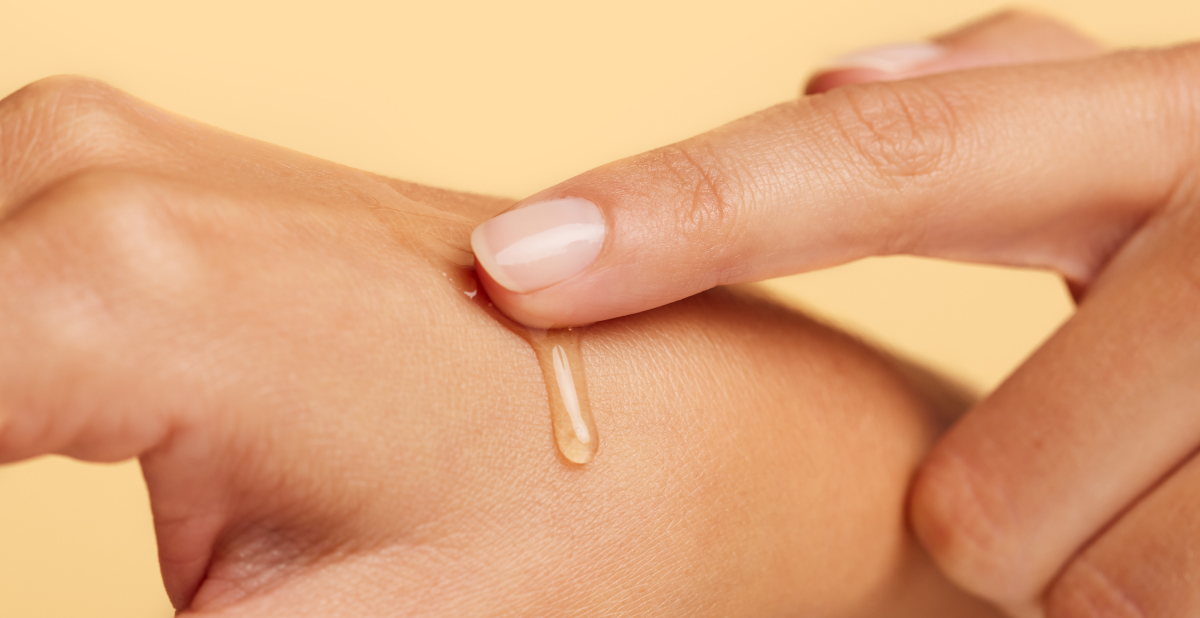
Oil cleansers are multitasking heroes. Especially when formulated with emulsifiers, a type of skincare ingredient that can help mix the unmixable (i.e., water and oil). They transform the texture of silky oils into lightweight milks or balms upon contact with water—lifting away dirt, pollution, and makeup with ease.
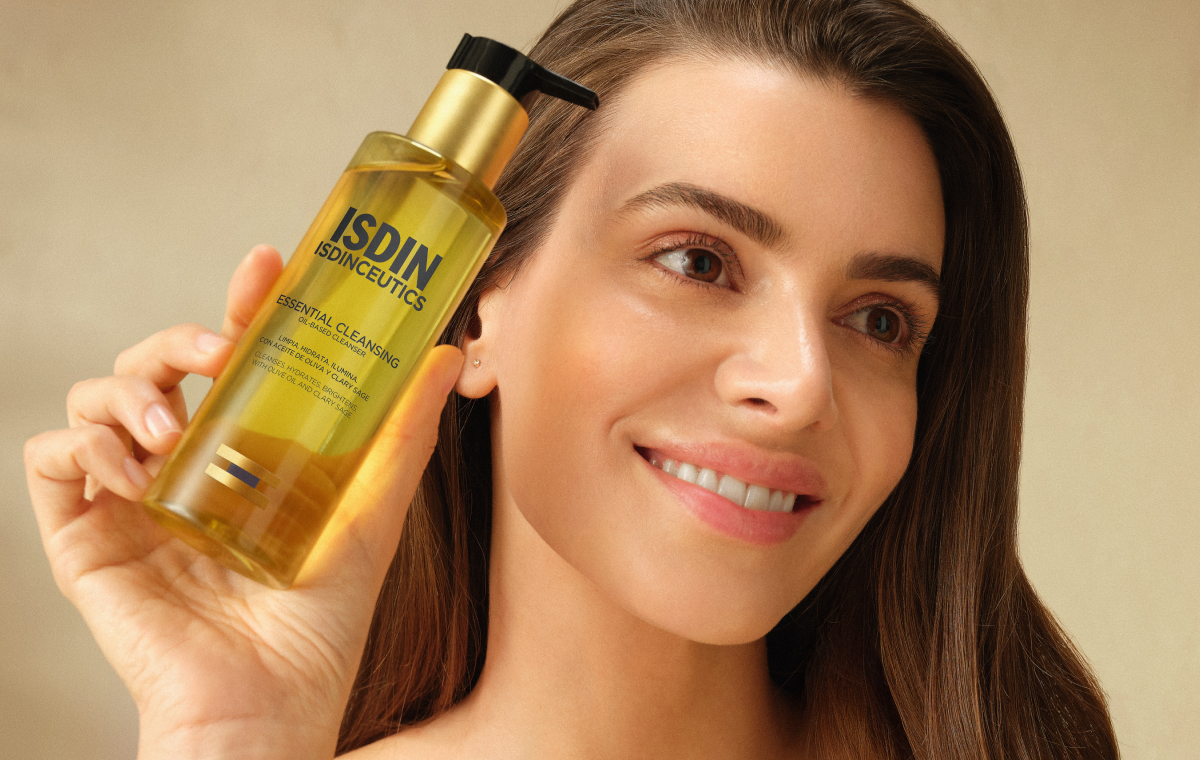
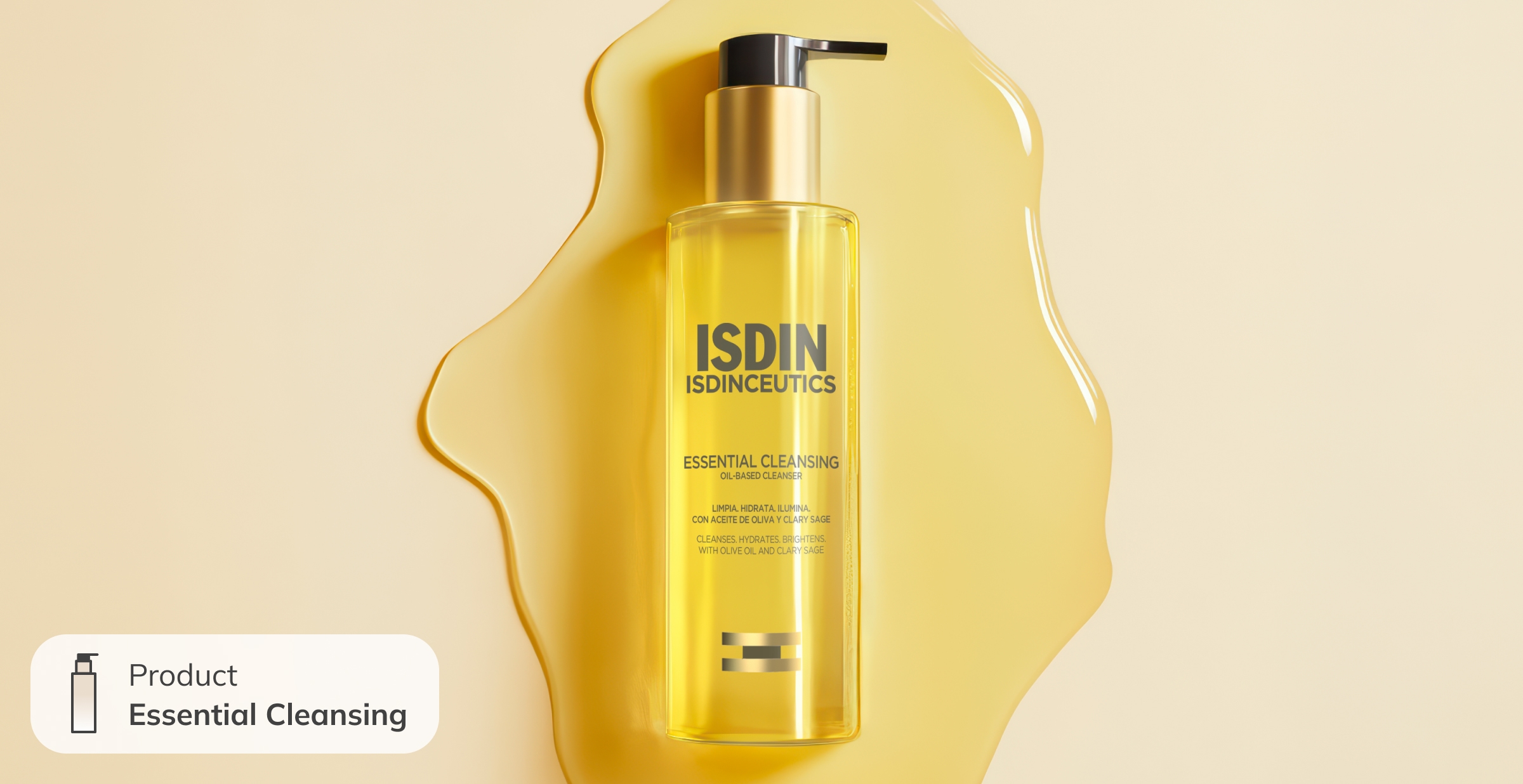
The bonus? Many oil cleansers (like our own Essential Cleansing) are enriched with nourishing oils and antioxidants. So, while you cleanse, you’re also revitalizing your skin—leaving it soft, radiant, and refreshed.
Sounds good! But I use micellar water—is cleansing oil better?
Not better—just different. Both cleansing oils and micellar waters can be great soap-free options that are friendly to all skin types. Here are a few general tips that can help you decide on one, the other, or both.
Oil cleansers are ideal if:
- You want a deep but gentle cleanse that helps maintain hydration.
- You wear makeup—especially long-wear or waterproof—and sunscreen regularly.
- You live in an urban environment and want to wash away daily pollution.
- You’ve got oily, normal, sensitive, dry, or combination skin (they really are for everyone!).
Micellar waters are great if:
- You need a quick, one-step, no-rinse cleanse.
- You’re a skinimalist: look for an all-in-one micellar formula that removes makeup, cleanses, tones, and hydrates.
- You’ve got sensitive skin: reach for a soap-free, alcohol-free, and fragrance-free formula to help avoid irritation.
Not sure which is right for you? Check out The Essential Guide to Cleansers.
Can I use an oil cleanser for oily skin?
Absolutely. It might sound counterintuitive, but cleansing oils are actually great for oily skin types.
Oil-based cleansers work because of their lipophilic (oil-loving) nature. They gently dissolve excess sebum, helping your skin stay balanced—not stripped. In fact, over-cleansing or using harsh, drying products can trigger more oil production. And a compromised skin barrier can even worsen breakouts.
So, if you’re dealing with oiliness or blemishes, switching to a nourishing cleansing oil may actually be a smarter, gentler step.
What ingredients should I look for in a cleansing oil?
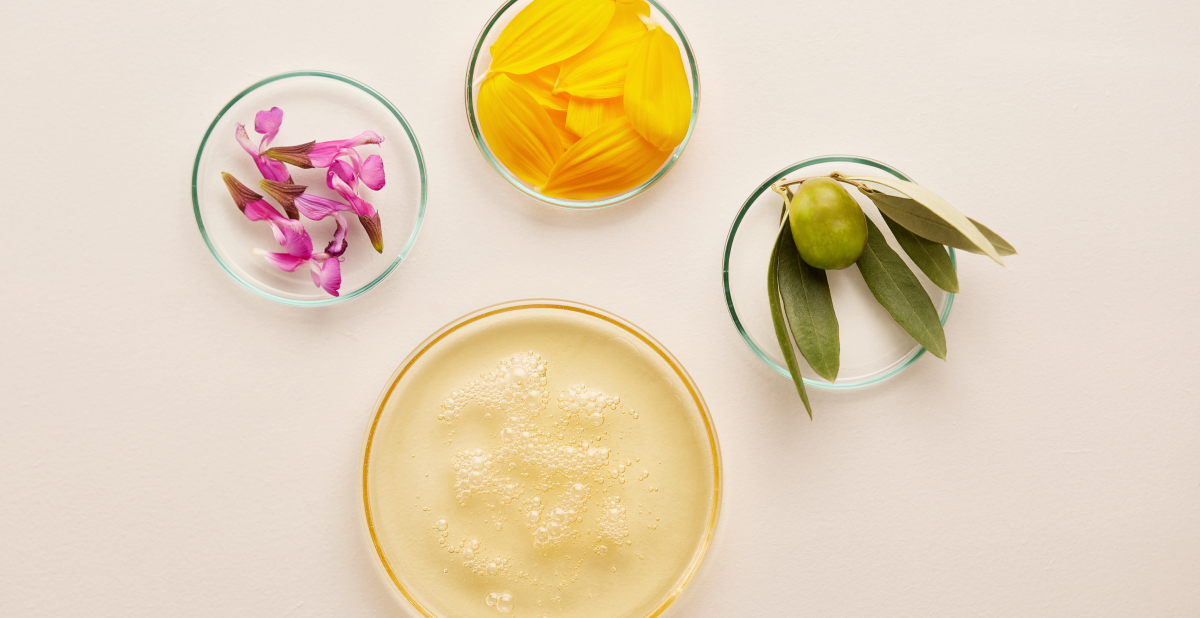
There are many different types of oil cleansers out there, and some of the best ones do more than just clean. Opt for formulas that are flush with antioxidants and feature naturally-sourced ingredients.
Here’s what to look for:
Mediterranean extra virgin olive oil
Naturally rich in antioxidants, it helps protect skin from the oxidative stress caused by daily lifestyle factors and supports regeneration.
Sunflower oil
A key player that helps restore and reinforce skin barrier functions, thanks to omegas 6 and 9.
Clary sage extract
This natural-origin extract helps unify tone and boost radiance when paired with nourishing oils.
Can you use cleansing oil every day?
Yes—in fact, it’s a great habit to start and keep. Use your oil cleanser day and night as the first step in your skincare routine. At night, it’s especially helpful for breaking down makeup, sunscreen, and daily buildup.
You can also follow up with a gentle water-based cleanser if you enjoy double cleansing. Otherwise, you’re good to go as is!
How to use cleansing oil in a skincare routine:
There’s a slight learning curve when starting with any new skincare product. So, while oil cleansers are generally beginner-friendly, there might be a few steps that differ from those of the micellar water or foaming facial cleansers you’re used to.
Here’s a quick guide:
Step 1: Apply
The biggest difference between oil and foaming facial cleansers? Skip the water to start.
Start with dry hands and a dry face. Apply a few pumps of oil and gently massage in circular motions.
Step 2: Extend
Wearing eye makeup? Use your fingertips to carefully massage lids and lashes—lifting and loosening even stubborn mascara.
Step 3: Add water & emulsify
Wet your face with lukewarm water. If you’re using an oil-to-milk formula like Isdinceutics Essential Cleansing, massage the oil until it turns into a light, milky texture—that’s the emulsion in action!
Step 4: Rinse & reveal
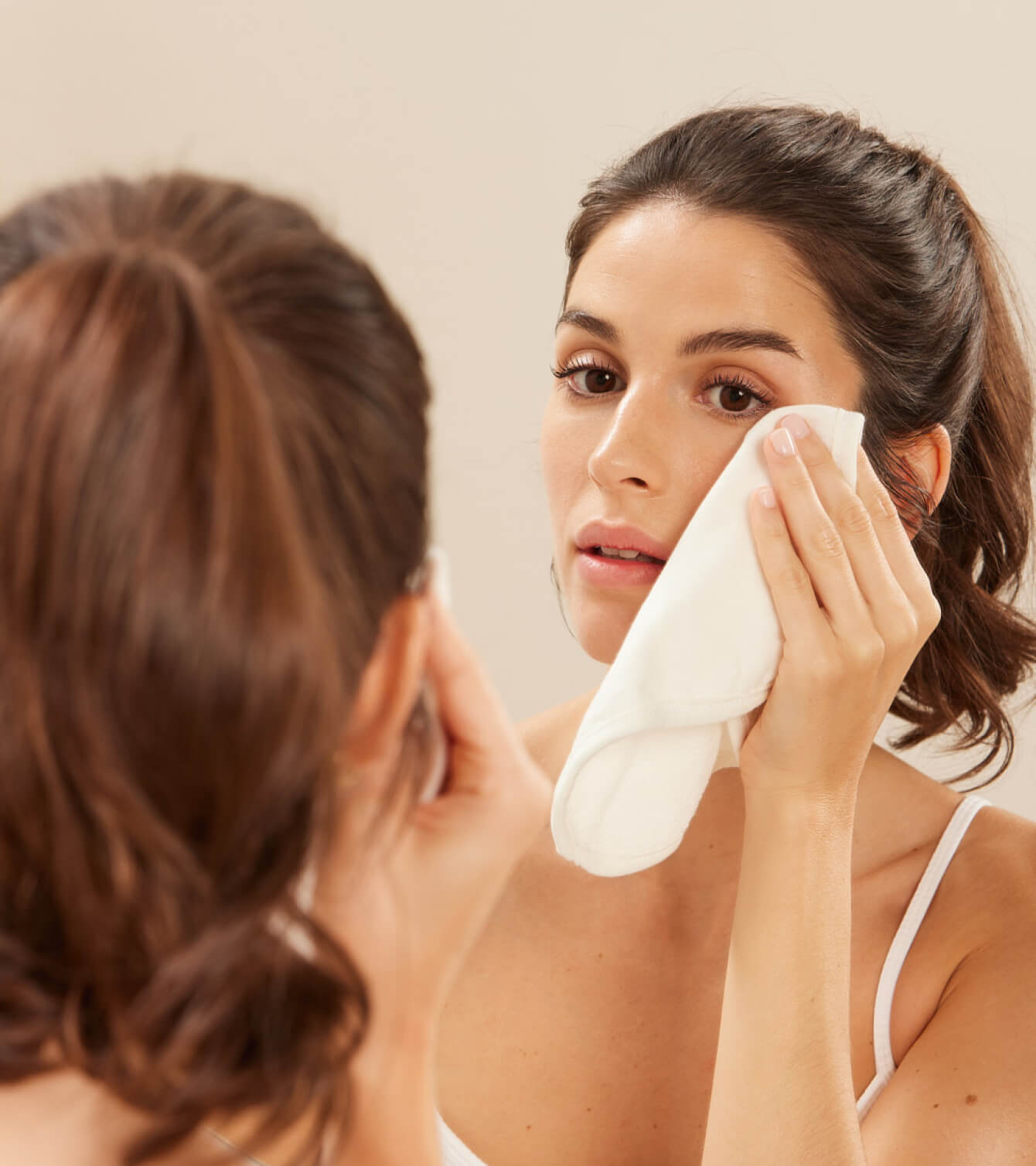
Rinse thoroughly with water and gently pat your face dry with a clean towel. You’ll be left with fresh, luminous skin and zero greasy residue.

One last step
If you’re looking to simplify your skincare routine while boosting its benefits, a cleansing oil might just be what your regimen needs. Great at dissolving impurities and nourishing your skin at the same time, oil-based cleansers are a gentle powerhouse for all skin types—including oily skin.
But the most important takeaway of all? No matter the product you choose, remember that cleansing is your moment of self-care. Whether you’re starting fresh or winding down, take those extra seconds to recognize and prioritize what helps you—and your skin—feel best.
References:
Yamamoto A, Takenouchi K, Ito M. Impaired water barrier function in acne vulgaris. Arch Dermatol Res. 1995;287(2):214-8. doi: 10.1007/BF01262335. PMID: 7763094.

Thiboutot, D., & Del Rosso, J. Q. (2013, February). Acne vulgaris and the epidermal barrier. The Journal of clinical and aesthetic dermatology. Retrieved April 1, 2022, from https://www.ncbi.nlm.nih.gov/pmc/articles/PMC3579484/
Behind the blog:
Article written and reviewed by:

Our namesake embodies the spirit of embracing life and all its wonder. As wellness journalists, we explore topics that invigorate the senses and keep curiosity alive. We believe that glowing skin is the result of a healthy body and mind. Weaving beauty with science, we aim to inspire you to live young at every age.