Your skin is in constant evolution. Even if you don’t notice it, it’s always working to regenerate, repair itself, and stay healthy. Every cell follows a cycle: it’s created, does its job, and then makes room for a new one.
This process is known as the skin cell renewal cycle, and it plays a major role in how your skin looks and feels today. Texture, radiance, and even how well your skincare products perform all depend on how well this cycle is working.
That’s why understanding it matters. When you know how your skin functions, it’s easier to make smarter choices—when to exfoliate, which creams to use, which ingredients to look for, and which ones to avoid.
Today, we’re breaking it all down so you can support this natural process and help your skin look its best, without overcomplicating your routine.
Table of Contents
What is the skin cell renewal cycle?

Your skin isn’t just a surface—it’s a living system that’s constantly at work. Every day, it activates internal mechanisms to renew itself, repair damage, and continue acting as your first line of defense against the outside world. This invisible process is what we call the skin renewal cycle.
In other words, it’s the process by which new cells are created in the deepest layers of the skin and gradually move up to the surface. There, they form the outer layer you see in the mirror—the one that protects you from environmental stressors. Once these cells have done their job, they naturally shed to make room for new ones.
It’s a continuous, carefully coordinated journey that directly affects the way your skin looks and feels. When the cycle runs smoothly, everything looks fresh and balanced. When it slows down or becomes disrupted, skin may appear dull, uneven, or more prone to imperfections.
How long does it take for skin to renew itself?
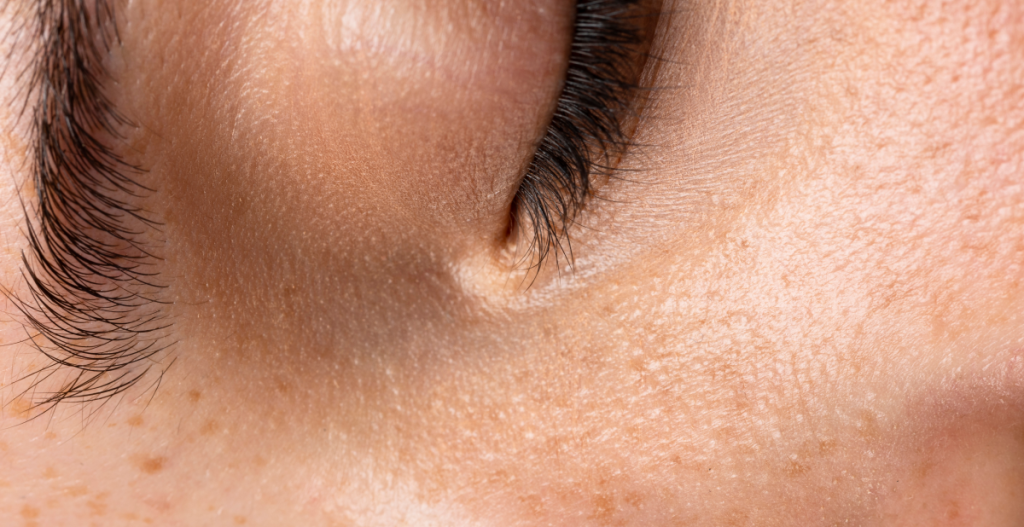
Although your skin is active every day, full renewal doesn’t happen overnight. From the moment new cells are formed to when old ones are removed with a cleansing scrub, the process usually takes between 28 and 40 days.
This timing isn’t the same for everyone. Younger skin tends to renew itself faster, while the process naturally slows with age. That’s why, starting in your 30s or 40s, it’s common to notice skin that looks less radiant or takes longer to bounce back from stressors.
Other factors also influence this cycle: lifestyle habits, sun exposure, stress levels, sleep quality, and even the skincare products you use. Together, they can help keep the cycle on track—or throw it off balance.
How skin turnover changes over the years
As we’ve seen, skin renewal doesn’t stay constant throughout life. Over time, the process changes, and your skin’s needs evolve along with it. What phase are you in?
In your 20s: At full speed
In your 20s, the skin renewal cycle is fast and efficient, typically around 28 days. That’s why skin often looks naturally radiant, smooth, and refreshed with minimal effort.

At this stage, the goal is simple: protect that momentum. Build good habits, support your skin barrier, and learn how to care for your skin to come.
In your 30s and 40s: When changes start
Work, stress, fewer hours of sleep, a busier lifestyle—your skin feels the impact. The renewal cycle begins to slow, often extending to 35-40 days.

This is when skin may start to look a bit duller, less even, or show the first visible signs of aging. Here’s where targeted care and thoughtfully-designed routines can help to support renewal and hydration.
50s and beyond: A new pace
With time, everything slows down—and your skin is no exception. The renewal cycle can stretch beyond 45 days, which may lead to thinner, drier skin with a less even texture.
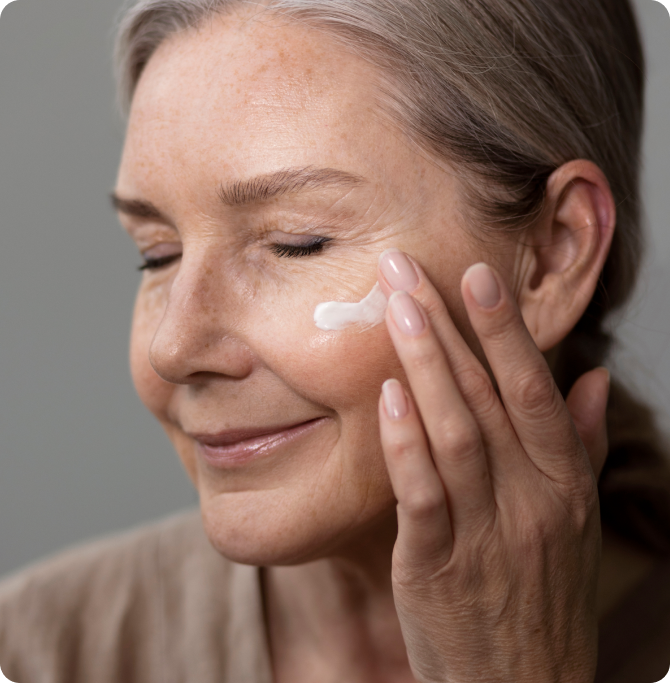
At this stage, skincare becomes more essential than ever: supporting renewal, reinforcing hydration, and giving your skin what it needs to continue looking healthy, comfortable, and full of life.
Every stage has its own beauty. Understanding how your skin changes over time helps you care for it with confidence and intention.
5 ways to support the skin renewal cycle
The good news is that there are plenty of ways you can help keep your skin turnover going strong. Where to start?
1. Exfoliate—wisely: Removing dead skin from the surface helps skin renew more smoothly. The key is choosing the right exfoliation method and frequency for your skin type. Gentle chemical exfoliants can be especially effective when used correctly.
2. Hydrate every day: Well-hydrated skin simply functions better. Formulas with hyaluronic acid help support the skin barrier and create the ideal environment for healthy renewal.
3. Wear sunscreen daily: Sun exposure is one of the main factors that disrupts the renewal cycle. Daily use of broad spectrum sunscreen not only helps prevent visible signs of aging, but also supports long-term skin health.
4. Look for supportive ingredients: Retinal, glycolic acid, and niacinamide can help support the skin’s natural renewal process and improve overall skin appearance, especially as renewal begins to slow.
5. Take care of the basics: Good sleep, stress management, a balanced diet, and proper hydration all have a real impact on your skin.
Your questions about skin turnover
Does the renewal cycle depend on skin type?
Yes. While all skin follows the same basic process, the pace can vary. Oily skin tends to renew more quickly, while dry or sensitive skin often renews more slowly. That’s why personalized routines matter.
Does poor sleep affect skin renewal?
Absolutely. Nighttime is when skin shifts into repair mode. Not getting enough quality sleep can interfere with this process, leaving skin looking dull, tired, and less even. In many ways, sleep is one of the best beauty essentials.
Can you safely speed up the renewal cycle?
You can make a difference with the right approach. Ingredients like chemical exfoliants and retinal can help support renewal, but they should always be introduced gradually and tailored to your skin. Pushing the process too hard can compromise the skin barrier.

At the end of the day, your skin has its own rhythm, its own way of functioning, and its own needs. Understanding how it renews itself is like learning its language—it helps you make better choices and care for your skin with intention.
Because healthy, beautiful-looking skin isn’t about luck. It’s about consistency, knowledge, and a well-thought-out routine. And now that you understand the science behind it, you’re one step closer to unlocking its full potential.
Behind the blog:
Article written and reviewed by:

Our namesake embodies the spirit of embracing life and all its wonder. As wellness journalists, we explore topics that invigorate the senses and keep curiosity alive. We believe that glowing skin is the result of a healthy body and mind. Weaving beauty with science, we aim to inspire you to live young at every age.