How’s your skin been feeling lately?
Tight and dry? More sensitive than usual? Did that new product seem to make you break out?
If this sounds all too familiar, there’s a chance that your skin’s protective barrier is damaged. Not to worry—you can help it bounce back. With the right care, you can repair your skin barrier and help it keep doing what it does best: defending against daily stressors.
Let’s explore what your skin barrier actually does, how to tell if it’s damaged, and a few simple ways you can help restore and protect it for healthy, comfortable skin.
Table of Contents
What is the skin barrier?
Understanding the layers of your skin is a great place to start. Your skin is your body’s largest organ and your first defense against the outside world. It’s made up of three main layers:
- Epidermis: the outermost layer, where the skin barrier lives.
- Hypodermis: the deepest layer, filled with cushioning fatty tissue that helps regulate temperature.
- Dermis: the middle layer, rich in collagen and elastin—the fibers that keep your skin strong and bouncy.
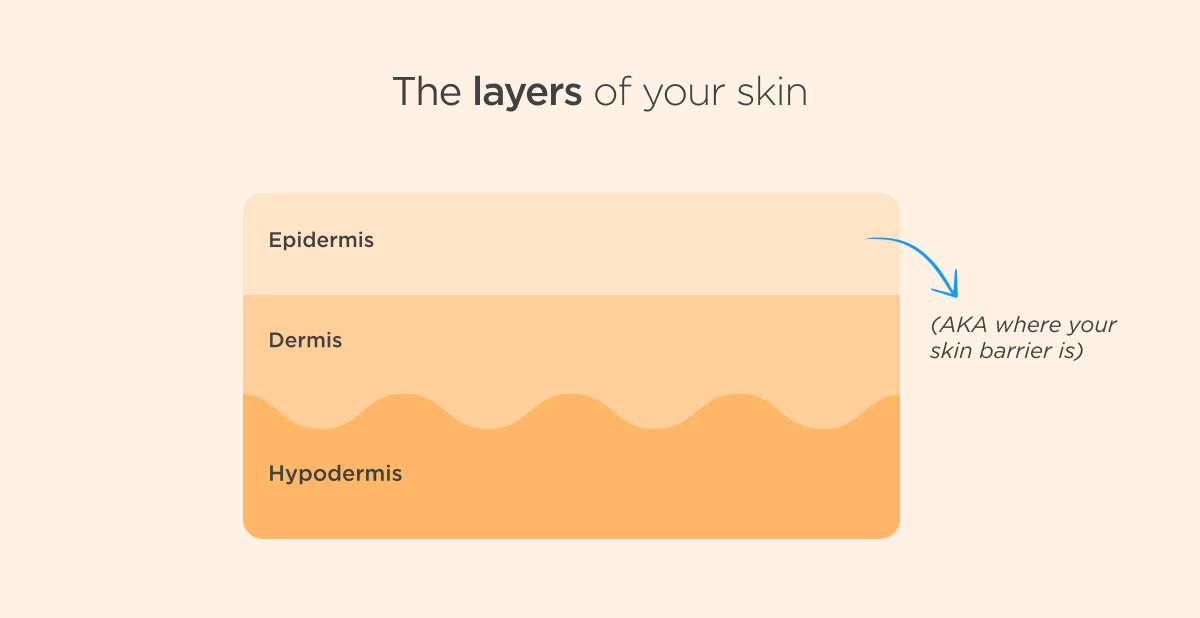
Within the epidermis, the very top section called the stratum corneum acts as your protective wall. Picture it like a brick wall: the bricks are your skin cells, and the mortar is a mix of lipids and proteins that hold everything together.
Here’s why it matters
Your skin barrier works hard every day to keep the good stuff in (like water and natural oils) and the bad stuff out (like irritants, pollutants, and bacteria). It’s a big job—especially with everything your skin faces daily, from dry air and UV rays to stress and pollution.
“If you notice your skin feels soft, supple, and well-hydrated—without flaking or redness—your skin barrier is probably working perfectly.”
What are the signs of a healthy skin barrier?
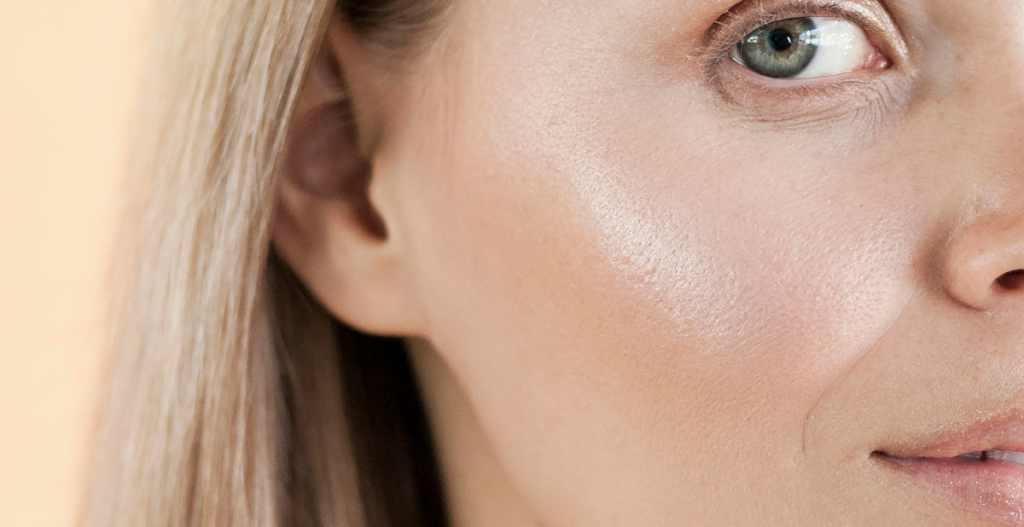
When your skin barrier is in good shape, your complexion usually tells the story:
- Skin feels comfortable, calm, and hydrated.
- It looks smooth and even, with little to no flaking.
- It reacts well to gentle cleansers and simple, balanced skincare.
Healthy skin is calm skin. It maintains its balance through weather changes, stress, and the ups and downs of everyday life.
How to know if you have a damaged skin barrier
As Park explains, “Every skin has its own story, challenges, and unique needs.” Still, there are a few telltale signs that it’s your skin barrier that’s struggling:
- Redness, dryness, or flaking
- Irritation, burning, or stinging from products that used to feel fine
- Unexpected breakouts or sensitivity
- A feeling of tightness or discomfort that just won’t go away
When your skin feels off kilter, it’s often a sign that your barrier needs time—and a little extra care—to repair itself.
Gentle reminder: While this article has been medically reviewed, we’re not as savvy about what’s going on with your skin as your dermatologist. It’s always a good idea to check in with them, especially if you’re experiencing discomfort.
Factors that can damage the skin barrier
Maybe you’re starting to think that your barrier could use some extra TLC. Where to start? It’s time to learn more about what’s got it down in the first place.
Here are the most common culprits:
Moisture loss
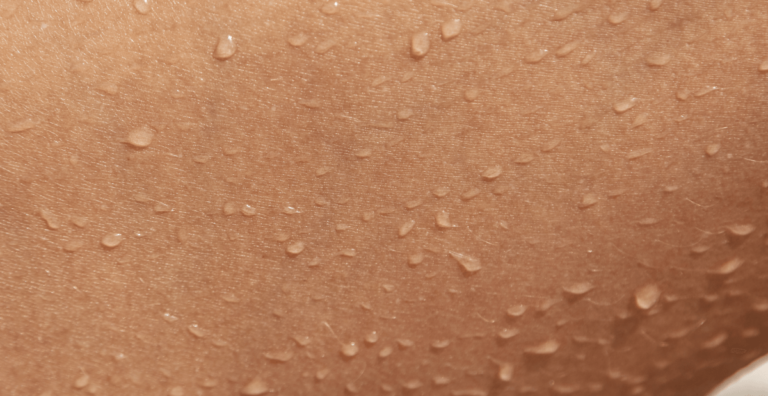
Transepidermal Water Loss (TEWL) reduces the skin’s ability to store moisture, hindering your protective barrier’s natural strength. And once your skin is dehydrated, it’s also more likely to become sensitive or reactive.
“Variations in TEWL can signal problems in the skin barrier,” says Park. “They can even be linked to inflammatory conditions such as psoriasis or atopic dermatitis.”
Cold weather, overly hot showers, or harsh cleansers can all contribute to this type of moisture loss.
Lifestyle factors
Your environment plays a big role in your skin’s overall health—from UV rays and pollution to stress and lack of sleep. These factors make up what’s known as the skin exposome.
A sunny beach day, a cold, dry winter, or even a busy week at work can test your barrier’s strength. And over time, these stressors can lead to dullness, dryness, or reactivity.
Overdoing it
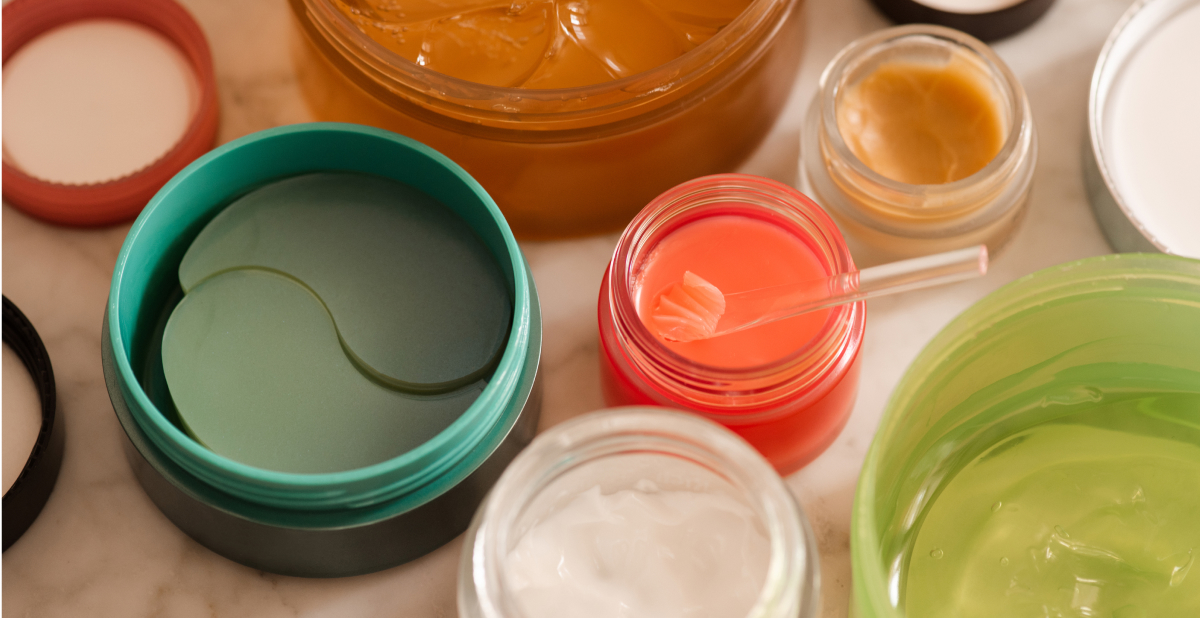
When it comes to skincare, more isn’t always better. Over-exfoliating or layering too many strong ingredients can strip away the natural oils that help protect your skin. The result? A vulnerable barrier.
Even homemade scrubs or lengthy routines can be too much of a good thing. So remember: when your skin feels stressed, simplify. Sometimes less is truly more.
How to help repair your skin barrier
The good news? Your barrier knows how to recover—it just needs a little support. Here’s how to help it bounce back:
1. Rest and reset

First things first: give your skin a break. Pause exfoliants, acids, or retinoids for a while, and let things get back to status quo.
Your skin’s renewal cycle takes about three to four weeks, so be patient and consistent. And don’t underestimate the power of rest—good sleep helps your body and skin repair from within.
2. Cleanse (gently)
Some cleansers that give you that squeaky-clean feeling actually contain strong surfactants. So while they can be great at dissolving dirt and oils, they can also harm your skin barrier.
Meanwhile, oil cleansing formulas are great at gently lifting away daily impurities. Choose an oil-to-milk cleanser to dissolve makeup and sunscreen while leaving your skin feeling nourished and comfortable—never dry or tight.
3. Hydrate deeply
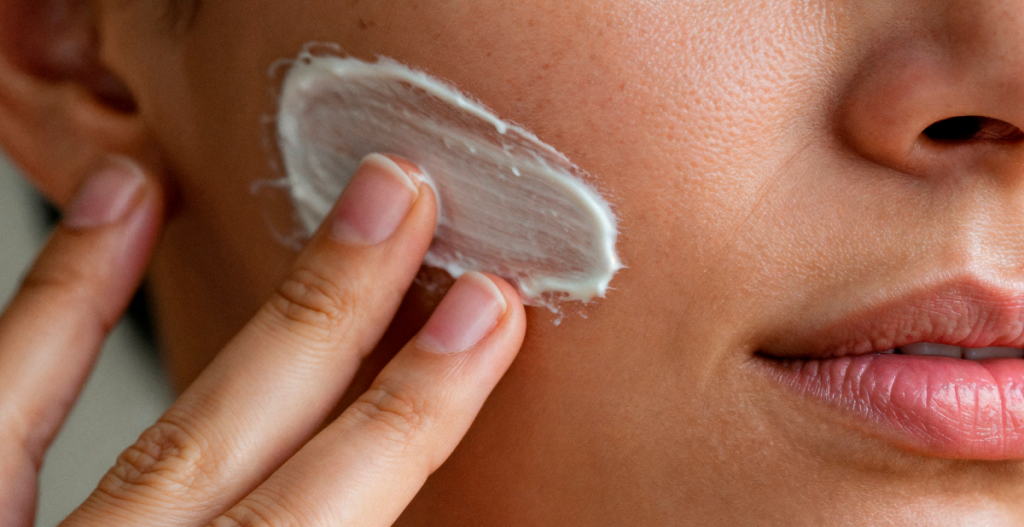
Science shows that regular hydration helps strengthen your skin barrier and keep it healthy. But if your skin is already feeling off-kilter, it’s also one of the most effective steps towards relief.
Look for hydrating ingredients like hyaluronic acid and vitamin E, plus barrier-strengthening lipids like ceramides.
Regular hydration is like consistent training to keep your skin in shape.
Try a lightweight daily moisturizer to help replenish hydration and support your skin’s natural repair process.
4. Protect daily
When your barrier is compromised, your skin is even more vulnerable to sun damage and oxidative stress. Daily broad spectrum sunscreen is your best defense (on cloudy or indoor days, too).
Reach for a lightweight, hydrating formula designed to protect while feeling weightless on the skin.
5. Rebuild gradually
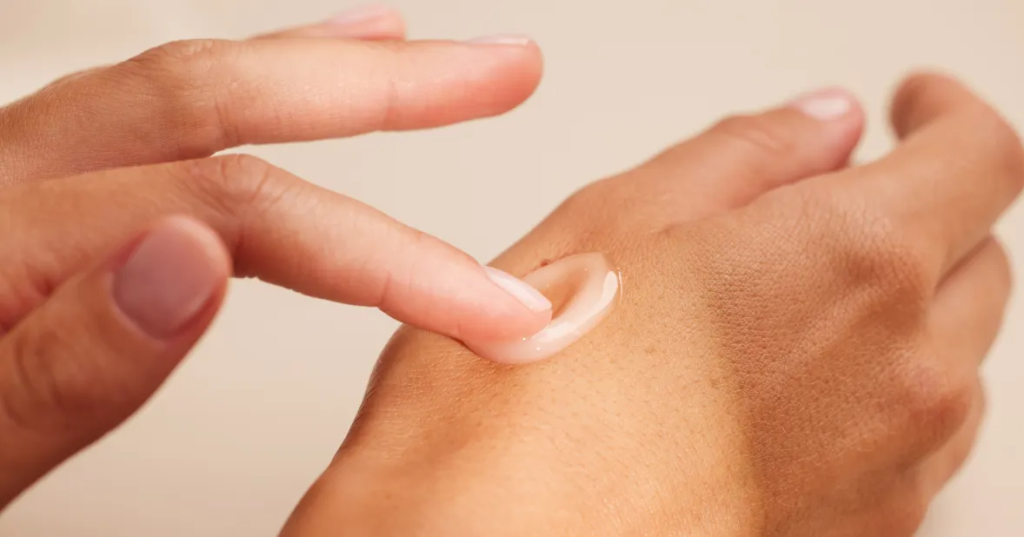
Once your skin feels calm and balanced, you can start reintroducing more potent products—one step at a time.
Some ingredients, like bakuchiol, blend easily into most routines. Others, like retinoids or exfoliating acids, may need a gentler approach at first (try skin cycling for built-in rest days).
Balanced skin is beautiful skin
Dryness, sensitivity, or irritation are often just signs your skin needs a moment to rebalance. With the right care—and a little patience—you can strengthen your barrier and keep it feeling calm, hydrated, and healthy all year round.
Think of your skincare routine as an ongoing conversation: listen, adjust, and respond. When your skin finally feels balanced, everything else follows. And with science-backed essentials by your side, that comfort is right within reach.
References:

Elias, P.M., Wakefield, J.S. (2010). Skin Barrier Function. In: Krutmann, J., Humbert, P. (eds) Nutrition for Healthy Skin. Springer, Berlin, Heidelberg. https://doi.org/10.1007/978-3-642-12264-4_4

Rawlings, A.V. and Harding, C.R. (2004), Moisturization and skin barrier function. Dermatologic Therapy, 17: 43-48. https://doi.org/10.1111/j.1396-0296.2004.04S1005.x

Dry skin: Diagnosis and treatment. (n.d.). https://www.aad.org/public/diseases/a-z/dry-skin-treatment

Rajkumar, J., Chandan, N., Lio, P., & Shi, V. (2023). The skin barrier and moisturization: Function, disruption, and mechanisms of repair. Skin Pharmacology and Physiology, 36(4), 174–185. https://doi.org/10.1159/000534136
Behind the blog:
Article written and reviewed by:

Our namesake embodies the spirit of embracing life and all its wonder. As wellness journalists, we explore topics that invigorate the senses and keep curiosity alive. We believe that glowing skin is the result of a healthy body and mind. Weaving beauty with science, we aim to inspire you to live young at every age.

Chiyoung Kang Park
Chiyoung is a pharmacist with a great passion for cosmetics. Also graduated in Business Administration and with a Master's Degree in Dermopharmacy and Cosmetics, she combines her passion for outdoor sports with skincare. Always active, she lives and appreciates both Spanish and Korean cultures, fusing her knowledge and roots in her professional and personal life.