
When we talk about skin, the conversation can feel infinite. Layers, types, lipids, pH, microbiome… a whole world spread across roughly two square meters. It wraps around us, shields us, and constantly works in our favor. But there’s one concept that can help everything we know about skincare fall into place: Natural Moisturizing Factors, or NMFs.
Ever heard of them? Here’s the simple version: your skin is smart. It has a built-in hydration system that knows how to hold onto water without asking for much in return. Keep reading, because today—guided by Chiyoung Kang Park, ISDIN Medical Marketing Specialist—we’re breaking down everything you need to know about NMFs, and why they matter more than you might think.
Table of Contents
What exactly are Natural Moisturizing Factors?
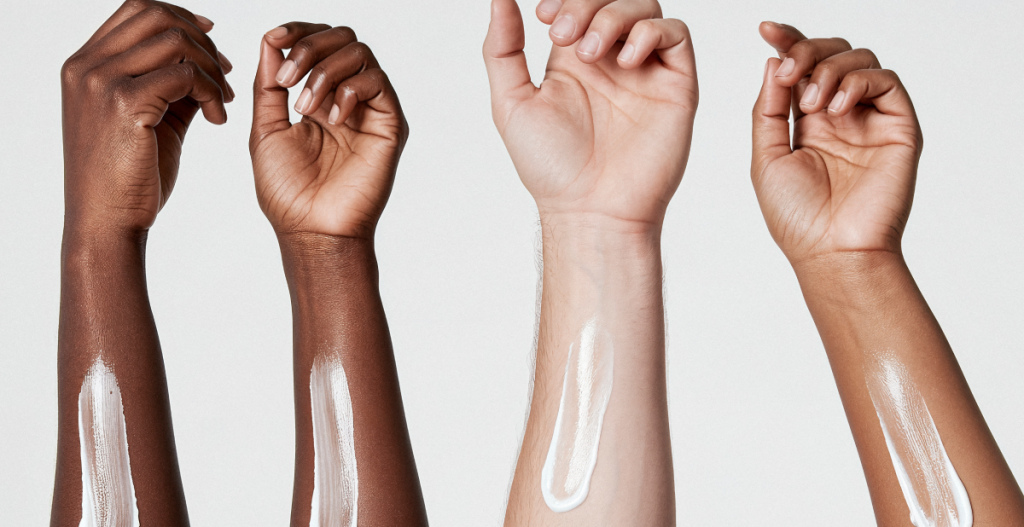
Park puts it best: “NMFs are the molecules your skin naturally produces to stay hydrated.” Think of them as your skin’s internal water system. They help keep moisture in, so skin stays soft, flexible, and free from that tight, uncomfortable feeling that often signals dehydration.
What makes NMFs so fascinating? “They behave like magnets,” Park says. “They attract water and hold onto it, creating a reservoir of hydration that even the best cream can’t fully replicate if NMF levels are off.” When NMF levels are high, skin looks luminous and feels balanced. When they drop, moisture escapes faster—and your skin lets you know.
“NMFs behave like magnets. They attract water and hold onto it.” Chiyoung Kang Park, ISDIN Medical Marketing Specialist
What are NMFs made of?
NMF isn’t just one ingredient. It’s a complex, beautifully orchestrated mix of amino acids, urea, lactic acid, PCA (pyrrolidone carboxylic acid), glycerin, and essential minerals, all working together to attract and retain moisture. ““Each one plays a unique role,” Park explains. “Some pull in hydration, others help keep keratin soft, and some strengthen the skin barrier so moisture stays where it belongs.”
Why does this matter? Because when these components decrease—due to cold, heat, stress, or aging—water can escape more easily, and skin starts to lose its sense of comfort. That’s where skincare comes in. It can’t replace NMF, but it can support them, helping restore balance and hydration.
The 5 types of NMFs
1. Amino acids
If NMFs were a building, amino acids would be the foundation. They make up the largest portion of our skin’s natural hydration reserve, and their job is simple: they hold onto water. Each one acts like a little hook, drawing moisture in and helping maintain softness, elasticity, and a smooth texture.

But these levels can decline—due to over-exfoliation, harsh cleansers, or simply aging. And when they do, the skin speaks up: tightness, rough patches, makeup that won’t sit right. That subtle something’s off feeling.
How to support amino acids
Look for hydrating serums or lightweight moisturizers that include amino acids or ingredients that can pass off as dopplegängers. “A well-formulated serum with hyaluronic acid is often enough to bring hydration and comfort back,” says Park.
2. Urea
Urea plays a dual role in your skin’s hydration story. It doesn’t just attract water—it softens the skin and gently loosens dead skin cells, keeping your texture even and flake-free.
Urea levels may drop with age, in dry climates, or with frequent exfoliation. And when they do, skin can feel rougher and less able to hold moisture on its own.
What to try
“Our skin already produces urea, so the best way to enhance it is to support it with more of the same,” Park explains. Choose moisturizers with low to medium concentrations of urea, especially if you experience persistent dryness.
3. Lactic acid
Much like urea, lactic acid is both a hydrator and a gentle exfoliant. Within the Natural Moisturizing Factors, it retains water while helping lift away dead skin, resulting in smoother texture, more radiance, and moisture that feels well-balanced—not fleeting.
But what if your lactic acid levels drop? It’s totally natural. Age, the wrong skincare routine, or harsh weather can all reduce lactic acid in the skin, leading to dullness and reduced product absorption.
Here’s how to support lactic acid in the skin
Look for products with low concentrations of lactic acid. As Park puts it: “A thoughtfully-formulated AHA serum can restore brightness and comfort, especially in skin that feels dull or uneven.”
4. PCA & derivatives
One of Park’s favorites, PCA (pyrrolidone carboxylic acid) is a long-lasting humectant. It draws in water and helps stabilize moisture levels over time, keeping skin balanced and resilient. “It’s not just about hydration—it’s about stability,” she tells us.
Dry climates and weakened skin barriers can cause PCA levels to fall, which often leads to faster water loss and a less plump, cushioned feel.
What to do when levels drop
The best approach? Choose a moisturizer that fits your skin—and that you enjoy using. “It’s the one you reach for without thinking, morning and night,” says Park. “Because your skin feels better with it.”
5. Glycerin
“Glycerin is funny,” Park smiles. “It’s never been trendy, but it’s always been essential.” A true workhorse, glycerin draws in moisture and holds it in—even when conditions are tough, like cold weather paired with dry indoor heating.
When the skin barrier is weakened, glycerin can be stripped away more easily, leading to tightness that no cream seems to fully soothe.
What to reach for to support glycerin
Before adding more hydration, start with your cleanser. “Many cleansers can be too harsh and wash away more than they should. Meaning when it comes to hydration, your skin is already in the red before you can put on moisturizer,” Park explains.
That’s why an oil cleanser that respects the skin barrier is so important. “It keeps hydration in, so the rest of your routine can do its job,” she shares.
6. Minerals and other natural moisturizers
Last but not least: minerals like sodium, potassium, and magnesium. These quiet players regulate water distribution within the skin, helping prevent dry patches or areas that feel too oily or too dry.
Their levels drop for the same reasons as the rest of the NMF family—weather, dehydration, or over-washing. When they’re depleted, skin feels unsettled, often without a clear reason.
Here’s how to protect them
Gentle routines make the biggest difference. Long hot showers and over-cleansing can strip these minerals away. “Stick to gentle products and daily consistency,” says Park. “Skin responds to rhythm more than intensity.”
Discover your skin type, learn your phototype, and build a routine that truly fits you.
A little support goes a long way
A gentle cleanser. A serum that fits. A moisturizer you enjoy. It’s not about the perfect routine—it’s about a relationship with your skin. And as Park reminds us: “Everything works better when we stop chasing miracles and focus on balance.”
“Everything works better when we stop chasing miracles and focus on balance.” Chiyoung Kang Park, ISDIN Medical Marketing Specialist
That’s the heart of good skincare. It doesn’t demand perfection—just presence. Support your skin so it can do what it already knows how to do.
And one final fact: your skin renews itself roughly every 28 days. Enough time to see real results (only if you stay consistent). So start today, stick with it, and let your skin show you what’s possible.
Behind the blog:
Article written and reviewed by:

Amy is a content strategist who turned a part-time obsession with skincare into a full-time passion. Her experience as a creative storyteller includes a range of lifestyle and technology topics across Washington D.C. and Barcelona. What's in her travel bag? Eye contour cream and sunscreen, always.

Chiyoung Kang Park
Chiyoung is a pharmacist with a great passion for cosmetics. Also graduated in Business Administration and with a Master's Degree in Dermopharmacy and Cosmetics, she combines her passion for outdoor sports with skincare. Always active, she lives and appreciates both Spanish and Korean cultures, fusing her knowledge and roots in her professional and personal life.