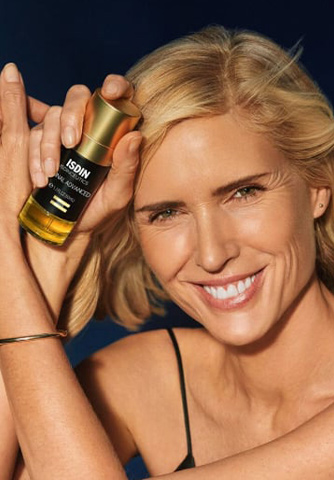

The Mediterranean is more than just a sea—it’s a thriving source of life, research, resources, and, above all, joy. And for us, as a Barcelona-born brand, it’s home.
Just like our skin needs daily care, the sea needs our protection. That’s why at ISDIN, we have a clear objective: to make our products part of the solution.
Ahead, we’re sharing the steps we’re taking to reduce our environmental impact, support marine biodiversity, and protect and restore Mediterranean habitats—all as a Spanish laboratory and proud B Corp Certified company.
And remember: you can be part of the change, too. Along with the advice of experts and scientists, read on to find out how you can use skincare as a force for good.
A breath of fresh air
Did you know our oceans produce over 50% of the planet’s oxygen? That powerful fact inspired the creation of Bluewave Alliance—a social and environmental initiative dedicated to helping restore the health of the Mediterranean Sea.
“[It was] created to protect and regenerate the Mediterranean Sea via marine conservation projects,” explains Álex Lara, Bluewave Alliance Brand Manager. “Through science, innovation, and community participation, we’re working to return the Mediterranean to the health and biodiversity it enjoyed a century ago.”
Among the sea’s rich biodiversity lies one of the world’s oldest underwater meadows: Posidonia oceanica. Often referred to as “the lungs of the sea”, seagrasses have an amazing ability to store carbon emissions—one of the key contributors to climate change.
Through Bluewave Alliance, our goal is to replant and revive this essential ecosystem through two key action plans:
Step 2: Involving local communities
Had you heard of the Posidonia meadows before now? Most people haven’t—highlighting the importance of spreading awareness wherever possible. To quote Spain’s Minister of Ecological Transition Teresa Ribera at last year’s Bluewave Alliance Symposium, “[The meadows] are so important because of their size. They protect the coastal areas and are teeming with productivity.”
But how can we help more people care for these unseen powerhouses? She continues, “Once people are aware, conservation ideas start to appear at the local level. After people have that first volunteer experience, they want to keep at it. But you have to do it effectively. That’s where scientists have a role in supporting and organizations in directing.”
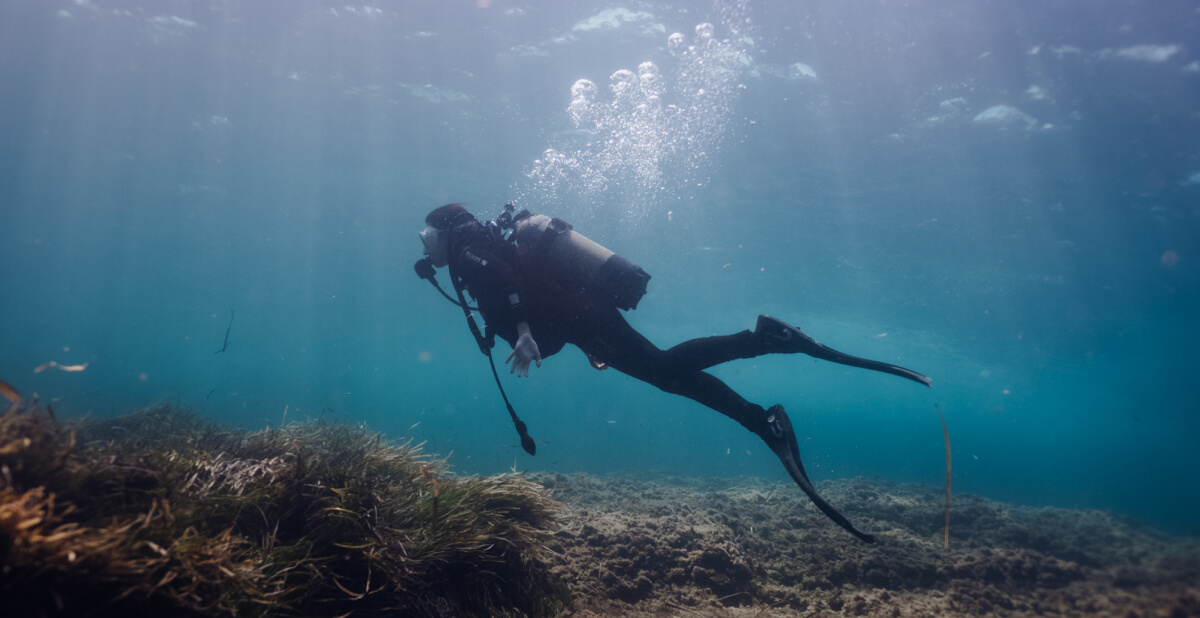
How you can help: Think local. While Posidonia may be one of the biggest, it isn’t the only marine habitat that could use your support. Check out DoSomething.org or Volunteer.gov, where you can filter environmental initiatives by area.
Can’t get out there to help in person? Share these initiatives and what you’ve learned with friends and family on social media.
Getting creative
The Mediterranean Sea is home to over 17,000 different forms of marine life. And around 30% are native to the region (the highest rate worldwide). With such incredible diversity, it’s no wonder that the Sea is a vital hub for tourists, scientists, and fishermen alike.
But its abundance also contributes to its biggest threats. In fact, over 50% of the plastic in the Mediterranean Sea is from fishing nets. Our aim? Remove as much of this waste as possible. Partnering with Gravity Wave, we work together with local fishermen and divers to collect plastic from ports and beaches.
The organization’s co-founder Julen Rodriquez explains his inspiration, “My sister visited Southeast Asia and was shocked when she found beaches filled with garbage. We thought, ‘Let’s work with local fishermen, who know and love the sea, to help collect waste from the Mediterranean.’ But when we started collecting nets, we realized the recycling plants weren’t prepared for this.”
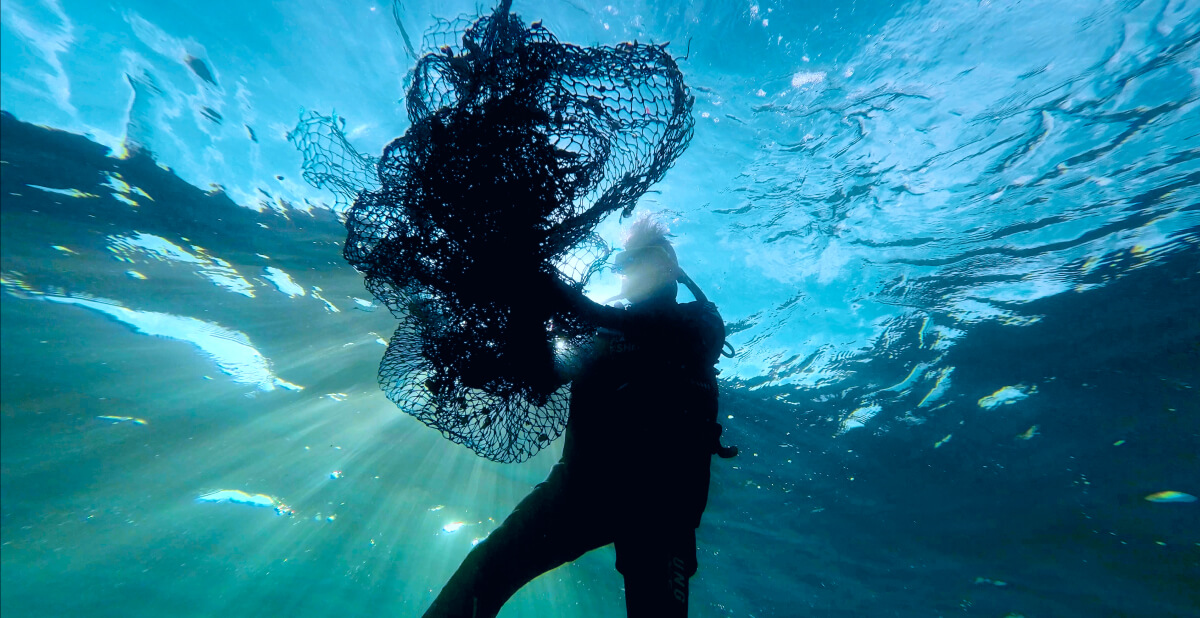
That’s where the initiative’s final step comes into play. Once the plastic is removed, it’s reimagined—helping prevent its return to sea. Together with Gravity Wave, we transform these retrieved fishing nets into sustainable furniture.
How you can help: As of this year, we’ve removed 265 tons of plastic from the Sea. You can contribute directly to Gravity Wave’s efforts when you join the LOVE ISDIN community. For every 300 LOVE ISDIN points redeemed, we’ll remove 1 kg (2.2 lbs) of plastic from the Sea.
An everyday effort
There’s another place you can start making a difference right now: your skincare routine. Where to start? Here are a few straightforward tips:
- Try before you buy. Whether through a friend or retailer, do your best to get a sample of the new skincare formula you’re considering adding to your lineup. This can help reduce wasted products, resources, and, not to mention, budget.
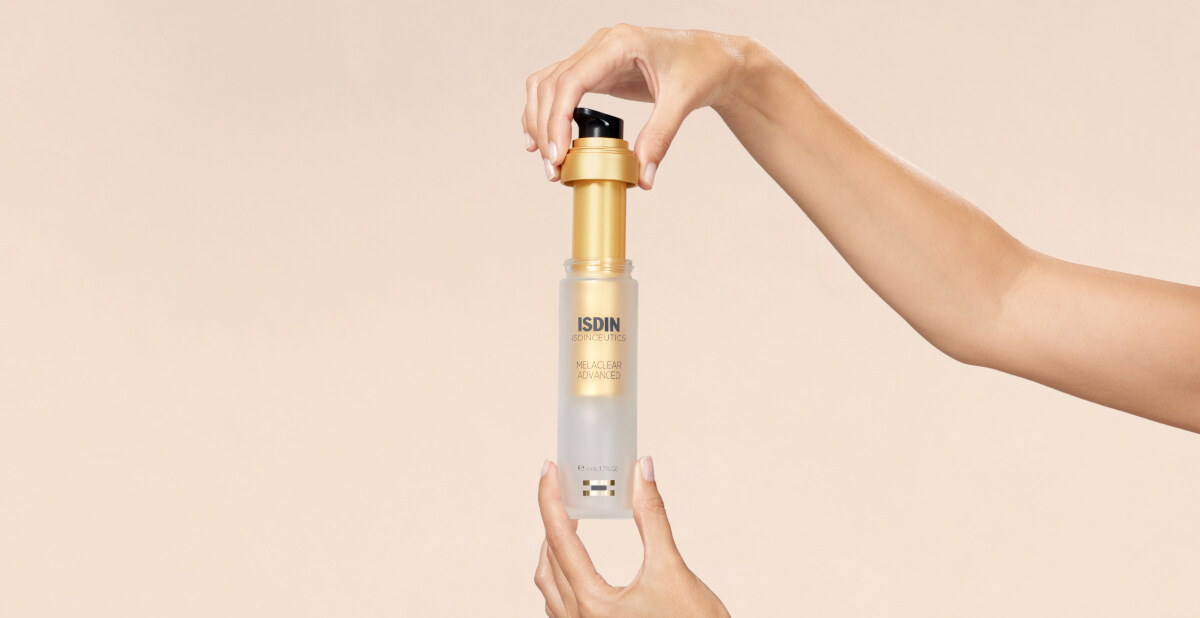
- Choose products with refillable options. Although we still have a ways to go, eco-refills are one of the ways we’re making a difference here at ISDIN. When you shop refills of favorites like Melaclear Advanced and Hyaluronic Moisture, you’re helping to minimize your environmental impact.
- Reuse, recycle, or reimagine. Sometimes recycling involves a few more steps than just throwing an empty container in the bin. Here’s one hard-and-fast rule to make sure your recyclables don’t end up in the landfill instead: make sure they’re clean, empty, and dry. Another idea? Repurpose the packaging for something else—that empty cream container could make the perfect spot for hair ties and bobby pins.
The road ahead
There’s always more we can do to protect our seas and oceans. But much like self-care, every action, big or small, can make a difference.
ISDIN CEO Juan Naya leaves us with a final word of inspiration, “Now’s the moment to act. It’s time to listen to both the scientists and the dreamers. Let’s dare to dream, together.”
Behind the blog:
Article written and reviewed by:

Amy is a content strategist who turned a part-time obsession with skincare into a full-time passion. Her experience as a creative storyteller includes a range of lifestyle and technology topics across Washington D.C. and Barcelona. What's in her travel bag? Eye contour cream and sunscreen, always.