
You might have seen it printed on a cleanser bottle. Maybe you’ve heard dermatologists reference it. And maybe (more than once or twice) you’ve overlooked it.
It’s a small number that doesn’t ask for much attention—but it deserves it.
Because your skin’s pH levels influence how your skin behaves, how it ages, and how it responds to everything you apply. Between a pH of 5 and 10, there isn’t just a numerical difference. There’s skin that feels balanced and resilient, or skin that feels tight, reactive, and overwhelmed.
Understanding your skin’s pH is understanding your skin itself. Let’s start at the beginning.
First things first: What is skin’s pH?
Before answering what is skin’s pH?, it helps to understand what pH means.
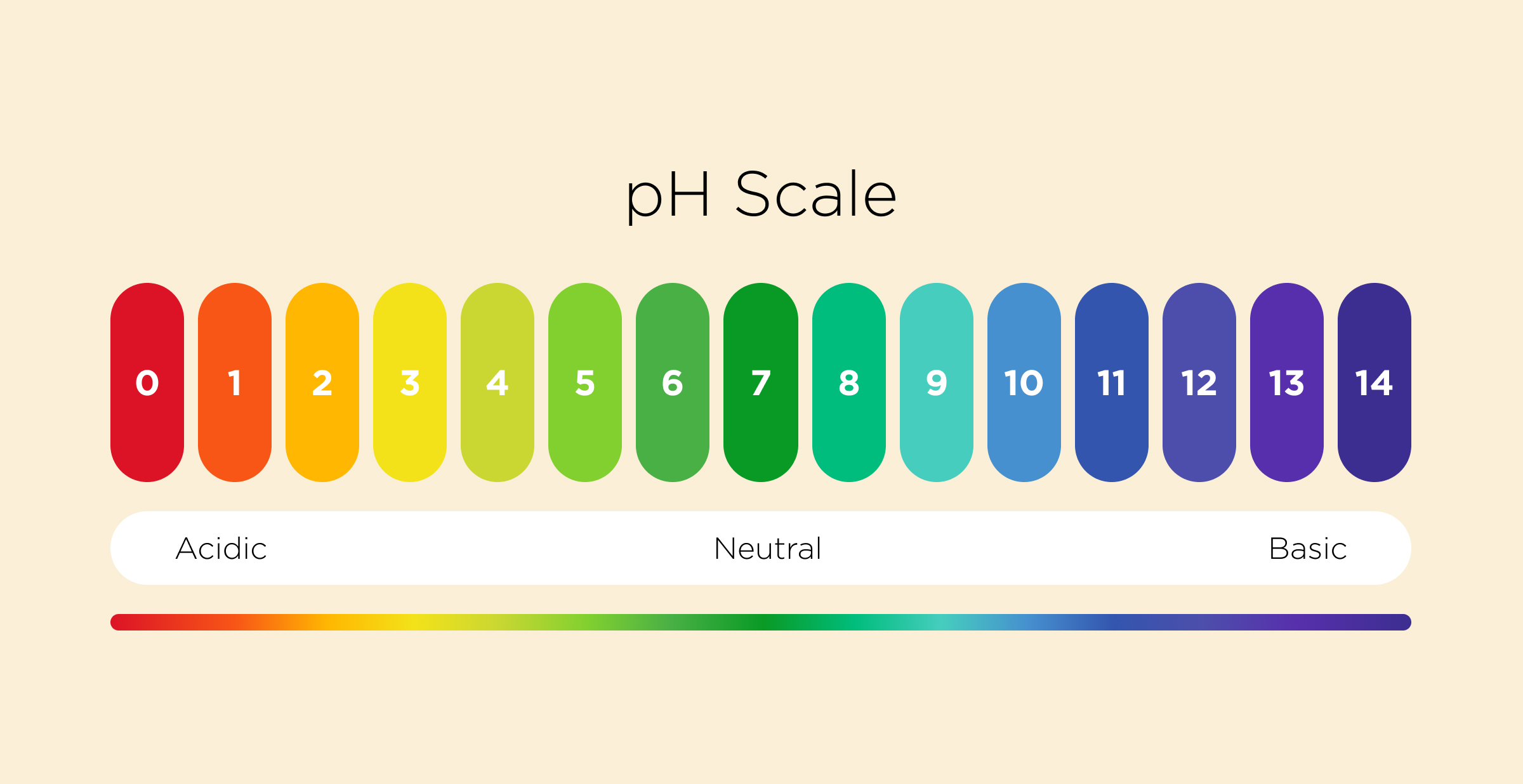
pH stands for potential of hydrogen. It measures how acidic or alkaline (basic) a substance is on a scale from 0 to 14:
- Lower numbers = more acidic
- Higher numbers = more alkaline
- 7 = neutral
The scale is logarithmic, which means small number changes represent significant chemical differences. A product with a pH of 4 isn’t just slightly more acidic than one with a pH of 5—it’s a considerable jump.
So, what is the pH of skin?
Healthy skin is naturally slightly acidic, typically ranging between 4.5 and 5.5. This gentle acidity is intentional. It supports the skin barrier, helps maintain hydration, and creates an environment where your microbiome can thrive.
That slightly acidic environment is often referred to as the acid mantle, or your skin’s invisible protective shield.
Why does your skin’s pH matter?
The simplest answer is this: it affects everything. Your skin’s pH levels influence how well your barrier retains moisture, how effectively it defends against environmental stressors, and how prone it is to irritation or breakouts. Even the performance of certain skincare ingredients depends on an environment that’s neither too acidic nor too alkaline.
When pH is balanced, skin feels comfortable. It looks healthy. It doesn’t constantly demand correction. When that balance shifts, your skin lets you know.

???? pH is just the beginning. Your skin type and phototype help to paint the full picture.
What happens when skin’s pH levels shift?
Your skin’s pH isn’t fixed. It can change due to age, weather, over-exfoliation, harsh cleansers, pollution, or even stress. Let’s find out how those shifts show up:
Balanced pH (4.5–5.5): skin in harmony
This is where skin feels comfortable. In its natural environment (slightly acidic) everything works just as it should. Its when:
- The barrier remains intact
- Moisture stays locked in
- Your microbiome remains stable
- Skin feels smooth and calm
Balanced skin doesn’t constantly demand attention. It adapts well and recovers easily.
Elevated pH (closer to 6–7): early signs of imbalance
As pH moves toward neutral, the skin becomes more vulnerable. You may notice:
- Tightness after cleansing
- Increased sensitivity
- Dry patches
- Redness or irritation
This often happens with harsh cleansers, over-cleansing, or environmental stressors.
Alkaline pH (>7): barrier disruption
When skin becomes too alkaline, its protective systems start to weaken. This can contribute to:
- Dehydration
- Inflammation
- Compromised microbiome
- Breakouts
- Persistent sensitivity
It’s not simply about oiliness or blemishes—it’s about skin that has lost its natural equilibrium.
On the other end of the spectrum, very acidic conditions (less common) can also trigger irritation in reactive skin.
How to respect (and restore) your skin’s pH balance
Here the approach is less about correction and more about support. Follow a few daily tips and you’ll be well on your way:
- Cleansing comes first. Harsh, alkaline soaps can disrupt the acid mantle quickly. Choosing a gentle cleanser that respects the skin barrier makes a noticeable difference. A hypoallergenic formula can remove impurities while maintaining skin comfort—leaving it clean, never stripped.
- Hydration is the next essential step. While it might sound counterintuitive, well-hydrated skin is better able to maintain its natural acidity. Ingredients such as hyaluronic acid, urea, and glycerin help reduce moisture loss and support barrier function.
- Remember to keep it simple. Overuse of exfoliating acids, potent treatments, or layering too many products can elevate skin’s pH levels over time. A thoughtful, streamlined routine often helps skin to recalibrate.
- Finally, never skip sunscreen. UV exposure can weaken the barrier, making it more difficult for skin to maintain stability. Applying a broad spectrum sunscreen daily supports long-term skin health and resilience.
The goal isn’t to force anything. It’s all about giving your skin the space it needs to rebalance.
Your questions about skin pH answered
How can you tell if your skin pH is off?
If your skin feels tight immediately after washing, if products suddenly tingle or burn, or if dryness persists despite moisturizing, your skin pH balance may be off. These signs may also reflect a weakened barrier. And when the barrier struggles, pH levels tend to drift away from their optimal range.
Can you skin’s pH change over time?
Yes. As skin matures, it naturally becomes slightly more alkaline. This shift can contribute to dryness and increased sensitivity over time. Seasonal changes also play a role. Cold weather, dry air, sun exposure, and pollution can all influence skin’s pH levels.
How long does it take to “fix” skin’s pH balance?
With a simplified routine and barrier-supportive products, improvement can begin within days. However, full barrier recovery may take several weeks depending on the level of disruption. If irritation, inflammation, or persistent breakouts continue, it’s best to consult a dermatologist.
A more balanced way forward

Now that you understand what your skin’s pH is and why it matters, the next step is simple. Look at your skin more closely. Notice how it feels after cleansing. Pay attention to how it responds to new products. Choose formulas that work with your skin, not against it.
The starting point? Consistency, protection, and care that honors balance. Because the story of your skin is written every day—and even small decisions shape how it feels tomorrow.
Behind the blog:
Article written and reviewed by:

Our namesake embodies the spirit of embracing life and all its wonder. As wellness journalists, we explore topics that invigorate the senses and keep curiosity alive. We believe that glowing skin is the result of a healthy body and mind. Weaving beauty with science, we aim to inspire you to live young at every age.