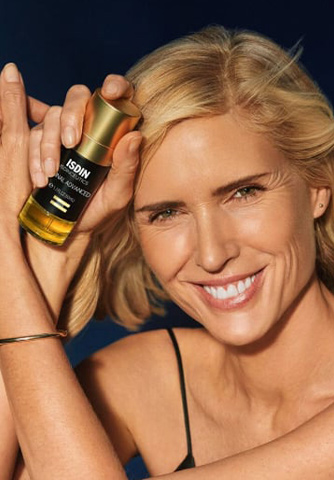
Peptides have quietly become one of skincare’s most trusted ingredients. Small yet powerful, they help support firmness, hydration, and overall skin vitality. And while they’re rooted in complex science, experiencing the benefits is as simple as applying your favorite formula.
Below, we explore what peptides are, how they work, and why they’ve earned a trusted place in everything from firming creams to restorative sunscreens. Let’s dive in.
THE BASICS
PEPTIDES (AMINO ACIDS)

WHAT THEY ARE: Short chains of amino acids, AKA the building blocks of collagen, elastin, and other proteins in the skin.

WHAT THEY DO: Support firmness, smoothness, hydration, and antioxidant defenses.

WHO THEY’RE FOR: Anyone looking to maintain elasticity or address visible signs of aging, especially sagging.

HOW TO USE THEM: Look for serums, moisturizers, and sunscreens with peptides. Use daily.

PAIR WELL WITH: Antioxidants like melatonin and vitamin E boost defense against daily skin stressors, while hyaluronic acid helps to add hydration and bounce.

DON’T MIX WITH: Peptides are generally suitable for all routines—just remember to listen to your skin.

TRY THEM IN: Instant Flash, Hyaluronic Booster, Age Contour, Age Contour Night, Eryfotona Ageless
What are peptides?

At their core, peptides are short chains of amino acids that your body uses to create essential proteins like collagen and elastin. These proteins keep your skin firm, elastic, and resilient. But as time passes, your natural supply begins to dwindle, and skin may start to look less smooth or structured.
That’s where topical peptides come in. They act as friendly messengers, reminding the skin to support what’s naturally declining with age. Consider them as the words of encouragement that motivate your skin to keep up the hard work.
Peptides, dipeptides, and beyond
Peptides come in different lengths, and those small differences matter:
- Dipeptides contain just two amino acids. They’re simple, stable, and often known for antioxidant or protective benefits.
- Tripeptides contain three amino acids, but they’re still small enough to travel efficiently through the skin’s layers. They often support collagen and visible firmness.
- Peptides is the umbrella term for any chain of two or more amino acids.
How do peptides work on the skin?
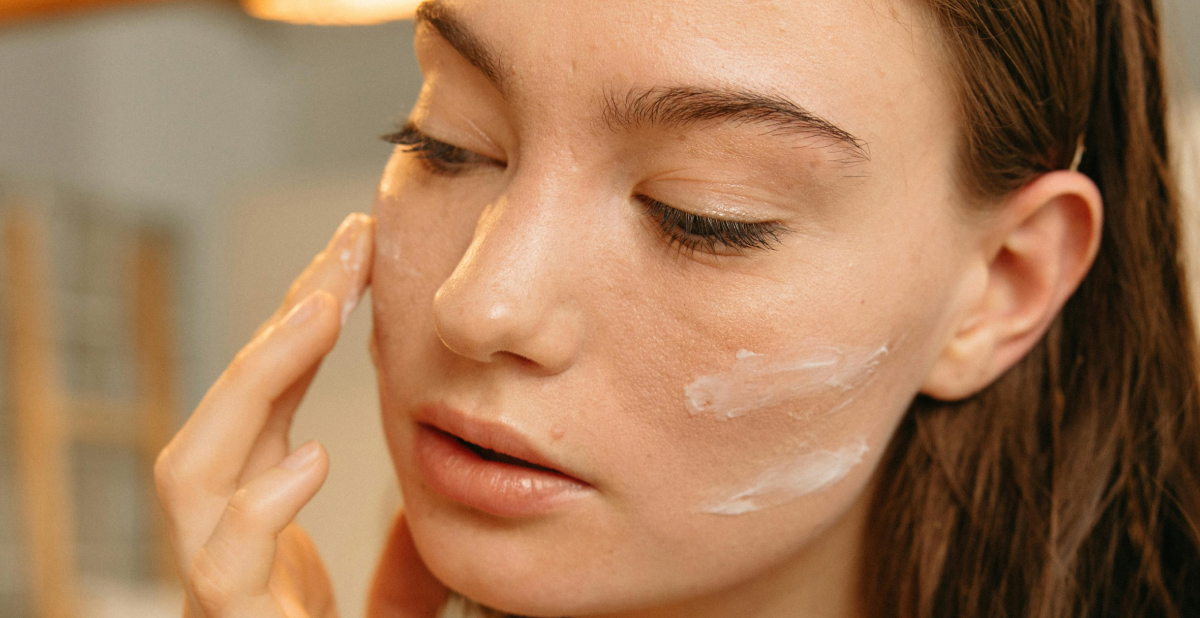
Think of peptides as servers in a restaurant. They take the order and let your skin know that collagen, elastin, or hyaluronic acid might need support. Meanwhile, other peptides act like bouncers, backing up the skin barrier to help maintain hydration and strength.
This is why you’ll find these multitaskers in firming creams, hydrating serums, and even sunscreens designed to help counteract the look of photoaging. Let’s get to know two key players in peptide skincare formulas:
Carnosine
Carnosine is a naturally occurring dipeptide known for its protective, antioxidant properties. In skincare, it’s celebrated for helping defend against glycation, a process that can stiffen collagen and contribute to visible aging.
By supporting suppleness and resilience, carnosine is often found in rich creams for delicate areas like the neck and jawline.
Coenzyme Q10
Q10 isn’t a peptide in and of itself, just a supporting actor. This lipid-soluble antioxidant helps boost skin’s energy production and strengthens defenses against oxidative stress.
Since natural Q10 levels decline with age, topical use can help reinforce firmness and reduce the look of stress-related fine lines. When paired with peptides, it creates a balanced approach: where structure meets protection.
Who should use peptides?
Anyone can benefit from peptides at some point in their skincare journey. They’re particularly helpful for:
- Early signs of aging: Dryness, fine lines, or a gradual loss of firmness.
- Mature skin: When you want added support for elasticity.
- Retinoid users: Peptides pair well with retinoids by helping maintain hydration and comfort.
- Skin exposed to daily stressors: If sun exposure or environmental factors are a key concern, peptides help reinforce your skin’s defenses.
- Sensitive or reactive skin: Their gentle nature makes peptides easy to use morning or night with a low risk of discomfort.
What ingredients pair well with peptides?
Peptides are known for getting along well with others. Here are a few of their favorite partners:
Hyaluronic acid
This pairing is all about harmony. Hyaluronic acid helps attract water to the skin, creating a hydrated, plump look. Opt for serums that include both ingredients to quickly boost elasticity.
Retinoids
Retinoids encourage renewal, while peptides help maintain the skin’s structural integrity—making them a rejuvenating power couple. Opt for a retinal serum and follow with a peptide-rich cream for a complete nighttime repair routine.
Antioxidants
Melatonin, vitamin E, and botanical antioxidants all go hand-in-hand with peptides. Together, they create a more complete routine that supports both protection and repair. While they serve different phases of your skin’s needs, they’re the perfect complements.
Where to find peptides in skincare
Peptides appear in several key steps of a routine, making them easy to incorporate regardless of your skin goals.
In serums
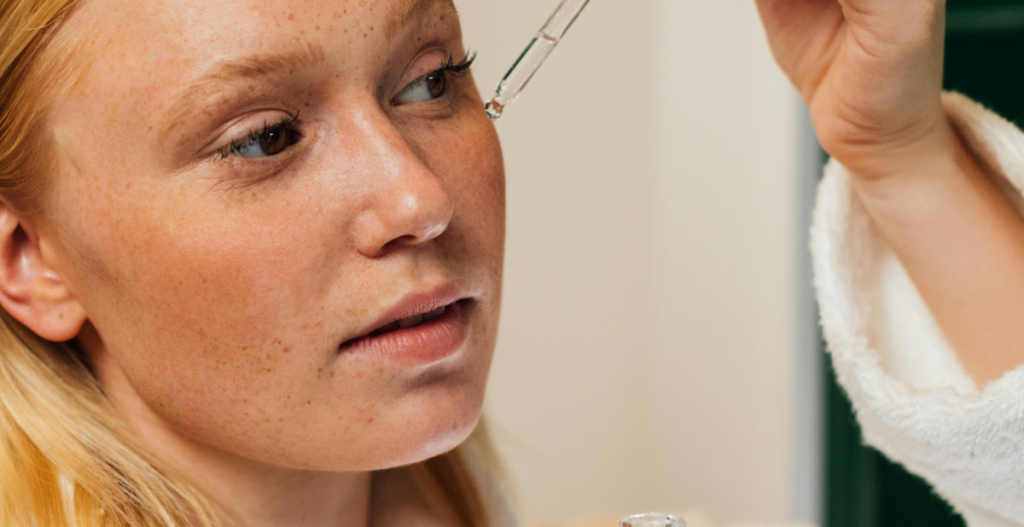
Peptide serums often feature low-molecular-weight ingredients that absorb efficiently and work well in both morning and nighttime routines. They’re ideal when your skin feels dull or fatigued and you want to boost softness and bounce.
In your moisturizer
Peptide-rich creams help support firmness, hydration, and overall smoothness. They tend to be especially effective on delicate areas like the neck and jawline.
In your sunscreen
Some sunscreens combine mineral protection with peptide complexes and antioxidants. This not only helps protect against sun exposure but also helps address the visible signs of photoaging at the same time.
Your questions answered
Are peptides suitable for sensitive skin?
Overall, yes. Since their building blocks (amino acids) are a natural part of your skin, peptides are generally well-tolerated. They typically make a great choice for delicate or reactive skin, just make sure to check your product of choice for any other ingredients that aren’t as gentle.
Can I use peptides every day?
Absolutely. Daily use helps maximize their benefits and keep skin feeling supported. But it’s always a good idea to read your product’s label and consult your dermatologist.
How long does it take to see results?
Expect gradual improvements. Hydration may improve within days, while firmness and texture evolve over weeks of regular use. Consistency is key when it comes to peptides—or any skincare product.
A quiet strength

Peptides offer steady, science-backed care that helps skin stay supported, supple, and resilient. Whether in a rich cream, restorative serum, or protective sunscreen, they bring a sense of balance and everyday nourishment—perfect allies for a gentle approach to caring for what matters most.
With consistent use, they help your skin feel strong today and ready for tomorrow.
Behind the blog:
Article written and reviewed by:

Our namesake embodies the spirit of embracing life and all its wonder. As wellness journalists, we explore topics that invigorate the senses and keep curiosity alive. We believe that glowing skin is the result of a healthy body and mind. Weaving beauty with science, we aim to inspire you to live young at every age.