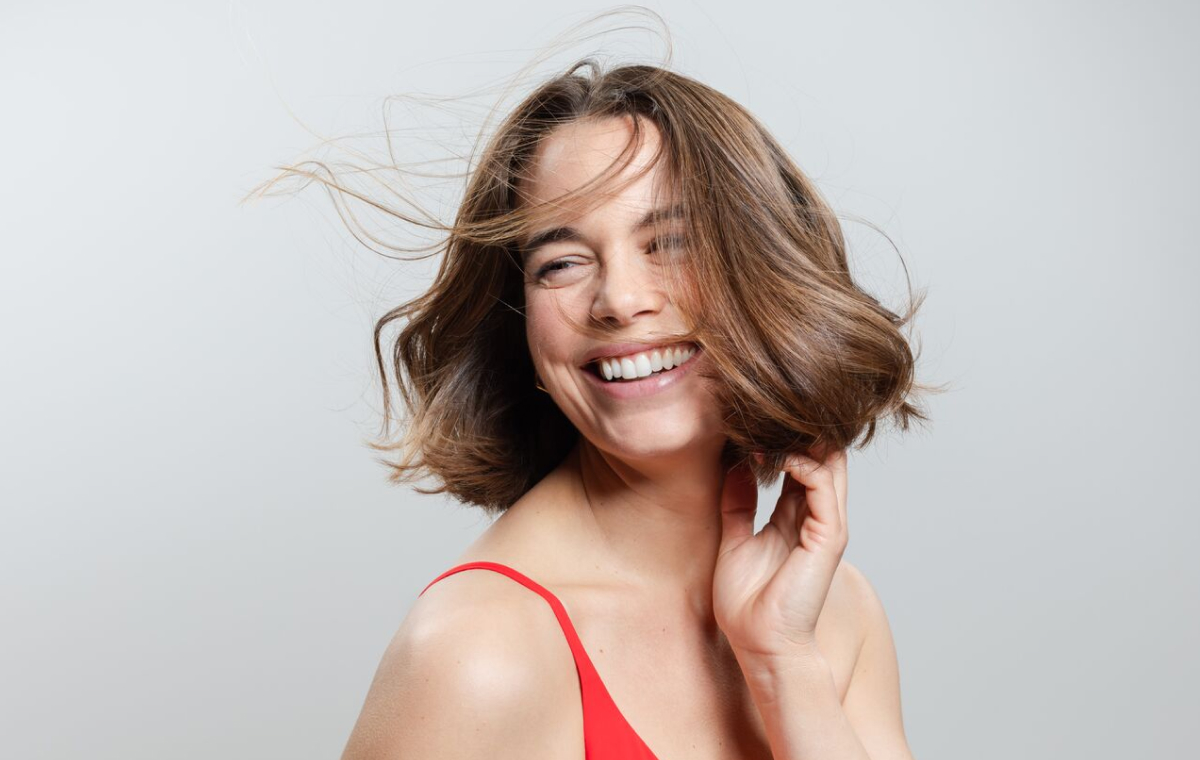
Strong, shiny, bouncy—classic signs of hair that’s in great shape. But if you can’t quite relate, you might be wondering what exactly happened and how to make your hair healthy again.
The first place to start? Understanding the science behind hair health and the simple habits that can help to regain, or maintain, hair with a little extra oomph.
Ahead, we’ll reveal the signs of healthy hair, provide tips on how to support it, and share a hair care routine that’s easy to maintain in the long run.
Let’s get started.
Table of Contents
What are the signs of healthy hair?
Strands that are flexible, resilient, and stand up to the elements aren’t just about aesthetics. Hair health can, in part, reflect your overall health. Get to know the common signs of healthy hair:
It’s soft and shiny
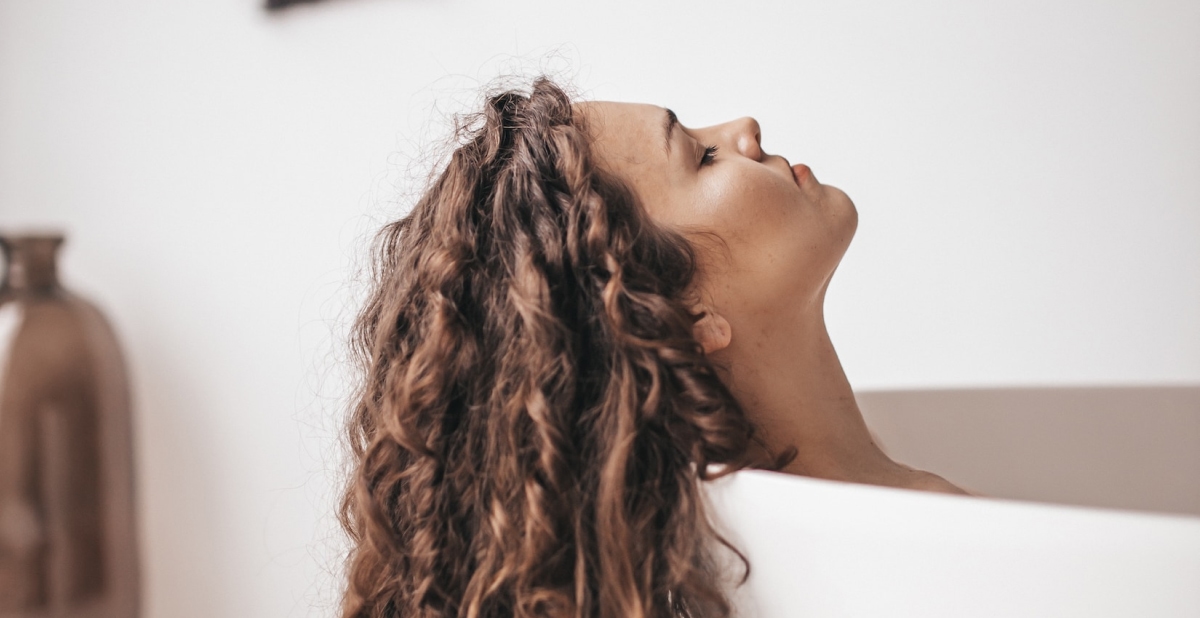
When your hair’s at its best, it naturally reflects light. It also feels soft and hydrated when you rub it between your fingers, no matter the texture. The likely reason? Your scalp’s natural oils are evenly distributed throughout your hair, plus it’s probably getting the nutrients it needs.
It bounces back
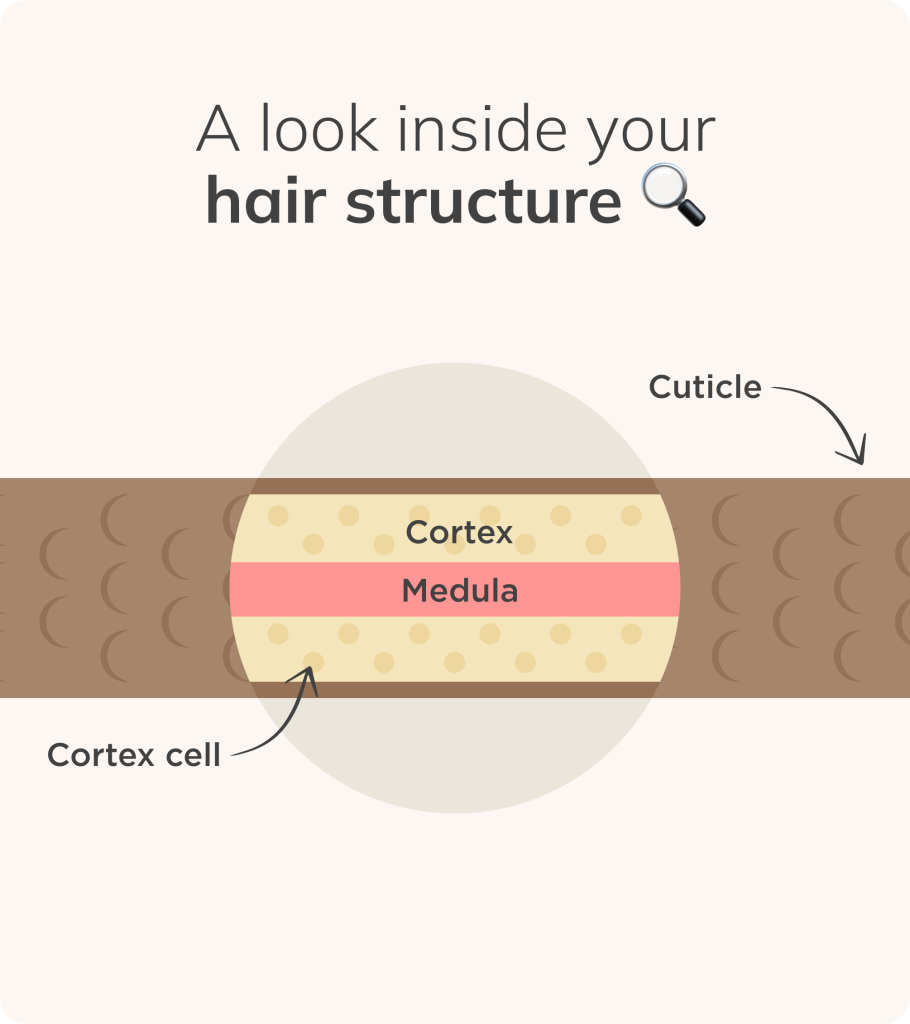
Try carefully pulling on a strand of hair. Did it stretch a bit before going back into place? If so, this means that your hair cuticles—the outermost layer of the hair shaft protecting the cortex—are flat. And the cortex—the central layer of the hair shaft—is strong.
On the other hand, your cuticle’s texture becomes rough when your hair’s dehydrated, leaving the cortex more vulnerable. Similar to your skin, your hair needs moisture to maintain a healthy level of elasticity and avoid breakage.
It’s strong and consistently growing
Another classic indicator of healthy hair is new growth. After each haircut or trim, your hair should continue to grow at a normal rate. Normal is relative, but around a half inch per month is a reliable benchmark.
Other good signs? When you brush it, it detangles easily—healthy hair doesn’t usually put you to the test. Moreover, check out the ends of your hair—are they even and intact? A lack of frayed or split ends points to strong, happy hair.
How do you know if your hair is unhealthy? It’s as easy as flipping the previous signs into the negative. Key signs of unhealthy hair include dryness, frizz, constant breakage, excessive tangling, and split ends.
How can I make my hair healthy again?
To bring out the best in your hair, opt for a few small changes in your daily and weekly routines over time. The most important thing is getting started—and you’re already on your way!
Let’s continue on to the essentials:
What are some good hair habits?
Everyone’s hair is different. However, there are a few good hair habits that tend to work across the board:
Choose products made for your hair type
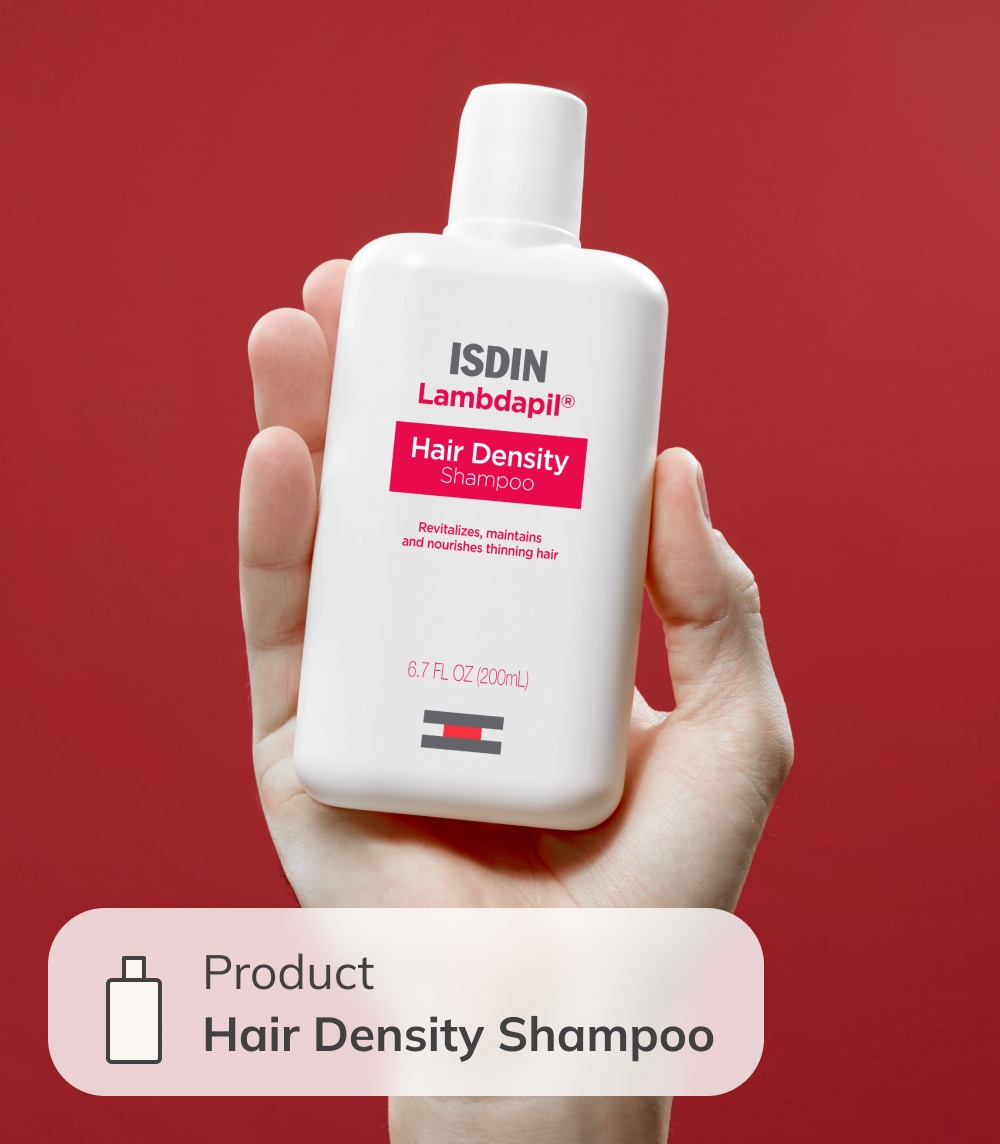
The more personalized your hair care routine, the better. If you get highlights, opt for shampoos and conditioners for color-treated hair. For textured hair, choose hydrating, curl-friendly formulas. For thinning hair? Try a density-boosting shampoo.
It might take some trial and error, but you’ll find the perfect lineup if you stick with it.
Refine your technique
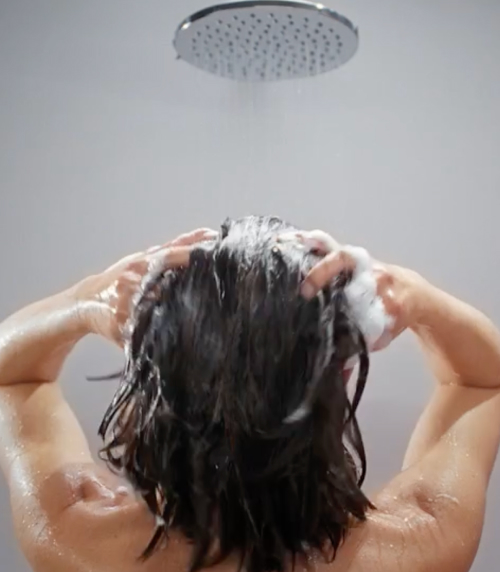
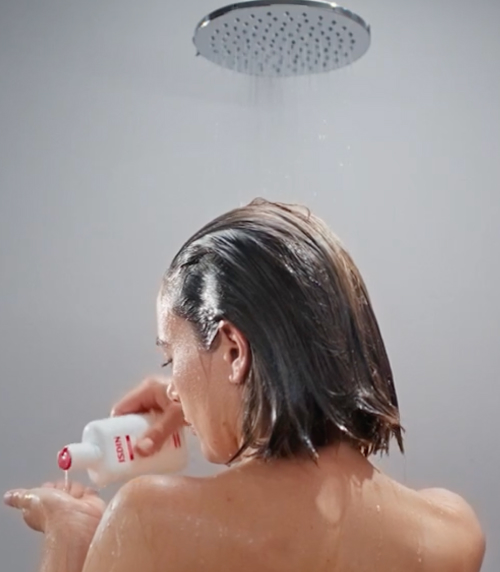
Sometimes it isn’t the products, but the process that could use an update. When shampooing, concentrate on the scalp instead of the whole length of the hair to help combat frizz and dullness.
Before conditioning, squeeze some of the excess water out of your hair. Then, smooth on your favorite conditioner from the middle to the ends of your hair, concentrating on the tips.
Take any extra product still on your hands and lightly smooth it onto the crown area (if you have an extremely oily scalp, you might want to skip this step).
Wash your hair as much as it asks for
If you have an oily scalp and hair, you may want to wash it every day. For dry or chemically-treated hair, try washing it less frequently. Moreover, your needs may change over time—your scalp tends to produce less oil with age, so depending on your years, you might not have to wash it quite as often.
What should I do to my hair every day?
Start with one small change in your daily hair care routine and build habits over time. Every little effort makes a difference when it comes to healthy hair.
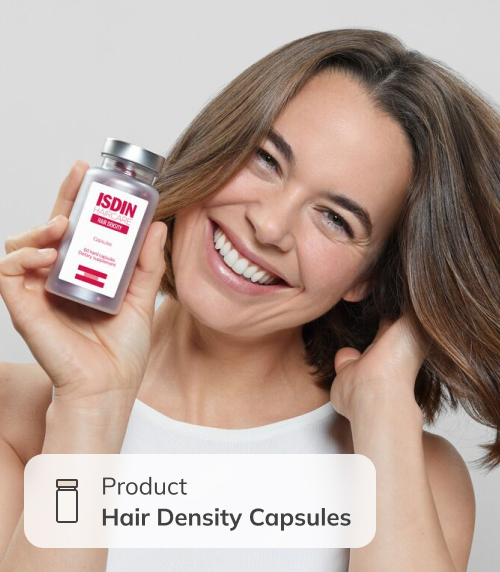
- Get your vitamins and minerals: The right levels of iron, zinc, and vitamins are key in supporting strong, healthy hair. One way to help? Opt for a targeted hair supplement.
- Avoid damaging hairstyles. Imagine constantly pulling on a fine thread…eventually it breaks, right? The same thing can happen with your strands. So, if you pull your hair back into a tight ponytail or braids every day, you might experience increased breakage or even damage to your hair follicles.
- Let it air dry: Air drying can help avoid any heat damage which can quickly lead to frizzy and dry hair. If you’re short on time, speed up the drying process at the end with a hair dryer, but make sure you use cooler settings and keep the nozzle at a good distance.
- Brush before bedtime: Somewhere between brushing your teeth and plugging your phone in to charge, find a slot to brush your hair to help distribute your scalp’s natural oils.
- Silk is your ally: Sleep experts recommend using silk pillowcases or hair wraps to help keep hair happy overnight. This soft texture may help prevent some breakage, tangling, and even dryness.
What’s a good weekly hair routine?
Wondering how to care for your hair on a weekly basis? Or monthly? Do your best to stick to the tips above, then add these extras to your long-term hair routine.
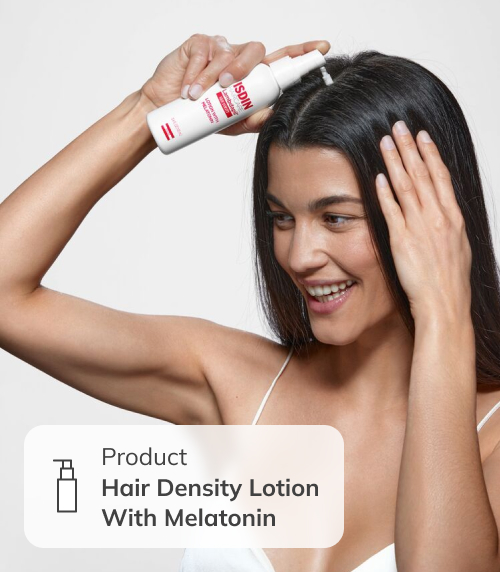
- Give yourself a scalp massage: One scientific study showed that regular scalp massages may encourage circulation and allow nutrients to get to hair follicles faster.
- Add targeted treatments: Try a nutrient-rich oil or hair density lotion to boost the benefits of your routine. Aim for a few nights a week or follow the label if you’re using a specific product.
- Get a trim every few weeks: Regular hair trims can help to get rid of split ends and damaged hair. The experts recommend getting a fresh cut every 4-8 weeks.
Healthy habits, healthy hair
Bouncy, healthy hair doesn’t require a complete overhaul—small, consistent changes can make a big difference. By understanding the signs of healthy hair, choosing the right products, and adopting simple daily and weekly habits, you can support stronger, shinier, and more resilient strands.
The key is to listen to your hair’s needs and adjust your routine accordingly. With time and care, you’ll be well on your way to hair that looks and feels its best.

Sources and references:
Yang, F. C., Zhang, Y., & Rheinstädter, M. C. (2014). The structure of people’s hair. PeerJ, 2, e619. https://doi.org/10.7717/peerj.619
Bent, Melissa. “Nutrition and hair health.” The Trichological Society, https://www.hairscientists.org/hair-and-scalp-conditions/nutrition-and-hair-health. Accessed 24 November 2022.
“Tips for healthy hair.” American Academy of Dermatology, https://www.aad.org/public/everyday-care/hair-scalp-care/hair/healthy-hair-tips. Accessed 31 October 2022.
Koyama T, Kobayashi K, Hama T, Murakami K, Ogawa R. Standardized Scalp Massage Results in Increased Hair Thickness by Inducing Stretching Forces to Dermal Papilla Cells in the Subcutaneous Tissue. Eplasty. 2016;16:e8.
Behind the blog:
Article written and reviewed by:

Our namesake embodies the spirit of embracing life and all its wonder. As wellness journalists, we explore topics that invigorate the senses and keep curiosity alive. We believe that glowing skin is the result of a healthy body and mind. Weaving beauty with science, we aim to inspire you to live young at every age.